
Vietnam is a year-round destination, but choosing the right month can make a big difference to your travel experience. If you are planning a trip in August, understanding the weather and conditions in each region will help you build a more suitable itinerary.
Vietnam Weather in August
August is one of the summer months in Vietnam, with warm temperatures across the country. Average temperatures are generally around 25–35°C, although the actual weather depends on the region.
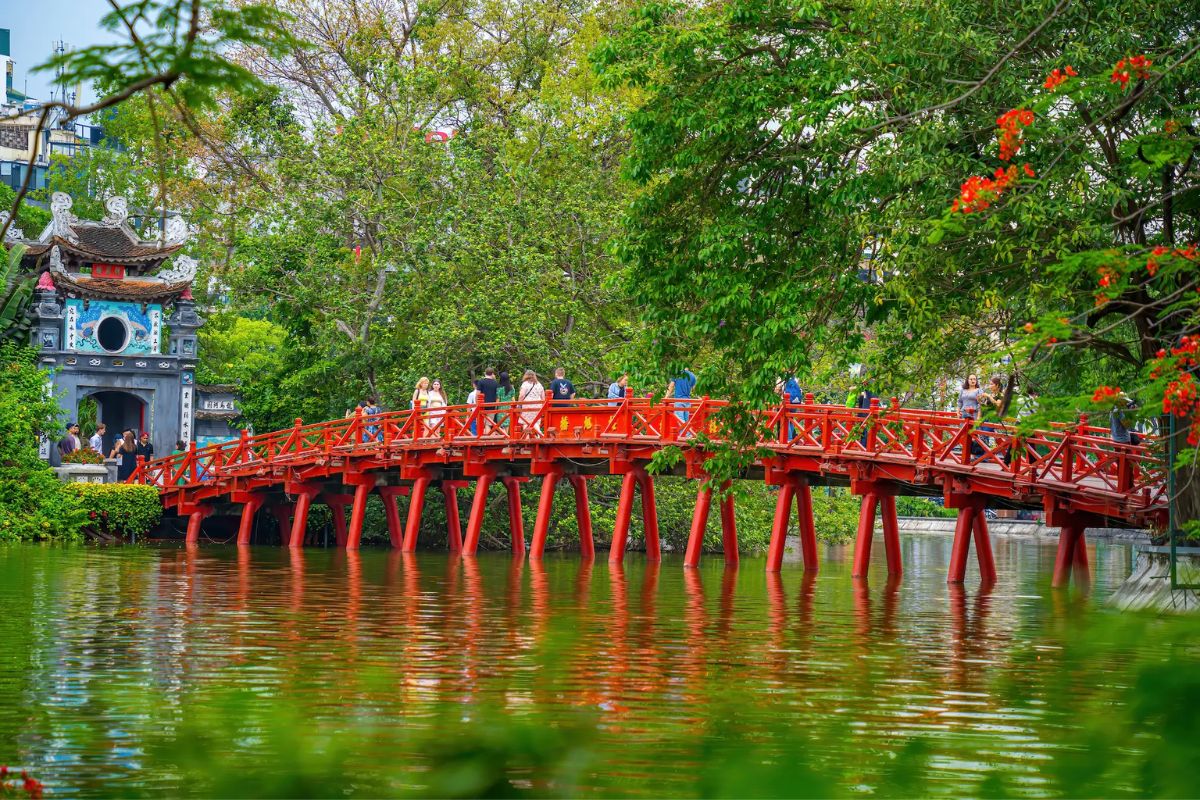
Hanoi in August
The main thing to remember is that Vietnam does not have the same weather everywhere. The country stretches from north to south, so August can bring very different travel conditions depending on your destination.
-
Northern Vietnam is usually hot, humid, and rainy in August. Hanoi can experience short but heavy rain showers, while mountainous areas such as Sapa may see more frequent rainfall.
-
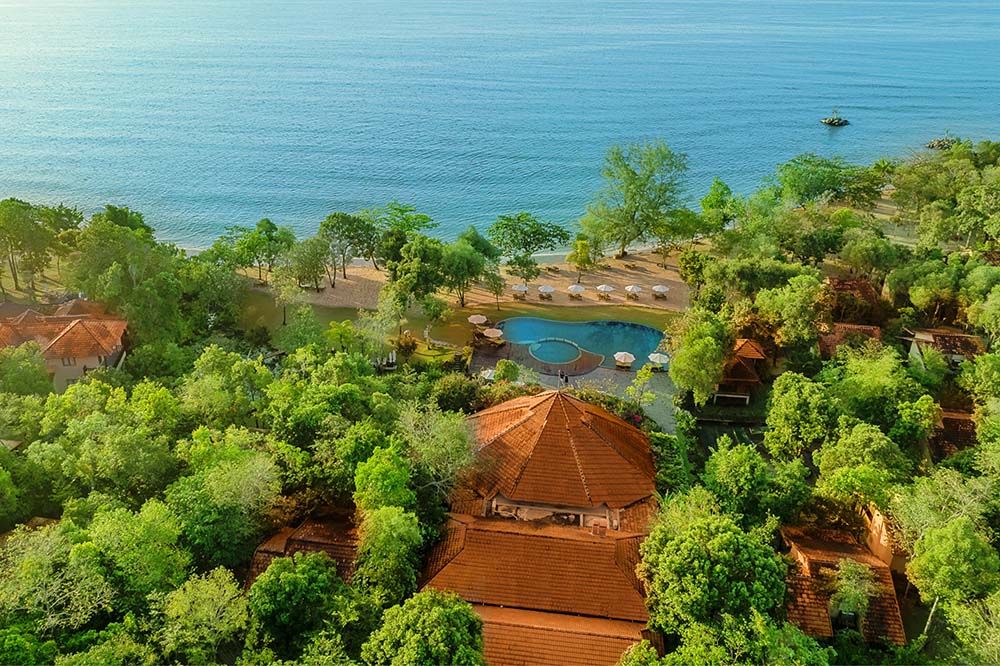
Central Vietnam tends to have better weather for beach holidays. Destinations such as Da Nang, Hoi An, and Nha Trang can still offer plenty of sunshine, making this region an attractive choice for travelers visiting Vietnam in August.
-
Southern Vietnam is also in its rainy season. However, rainfall often comes in short afternoon showers rather than lasting throughout the entire day.
Is August Good for Visiting Northern Vietnam?
If you want to explore Northern Vietnam, August is possible, but you should be prepared for unpredictable weather.
Hanoi remains an interesting destination with plenty of indoor and outdoor activities. You can explore the Old Quarter, visit local markets, try Vietnamese street food, and discover the city's historic attractions between rain showers.
For travelers interested in nature, places such as Ninh Binh can still be beautiful during August. The combination of green rice fields, limestone mountains, rivers, and local villages creates a very different atmosphere from the dry season.

Hang Mua peak in Ninh Binh
However, if your main goal is trekking in mountainous areas, August may not be the most comfortable month. Heavy rain can make some trails muddy and less convenient.
Central Vietnam Is One of the Best Choices in August
If you are wondering whether August is a good time to visit Vietnam, Central Vietnam is one of the strongest reasons to consider the month.
Destinations such as Da Nang, Hoi An, and Nha Trang are popular choices for travelers looking for a combination of culture, beaches, and relaxation.
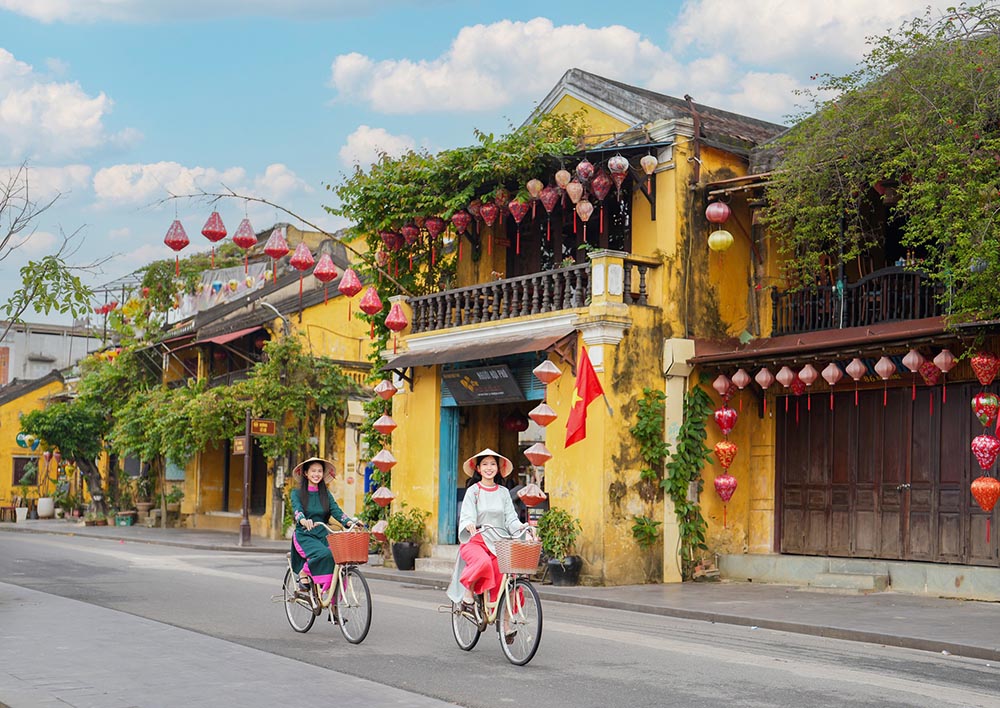
Hoi An is particularly attractive because you can combine sightseeing in the ancient town with nearby beach experiences. Early mornings and late afternoons are often pleasant times to explore, while the middle of the day can be used for relaxing at your hotel or enjoying local cuisine.
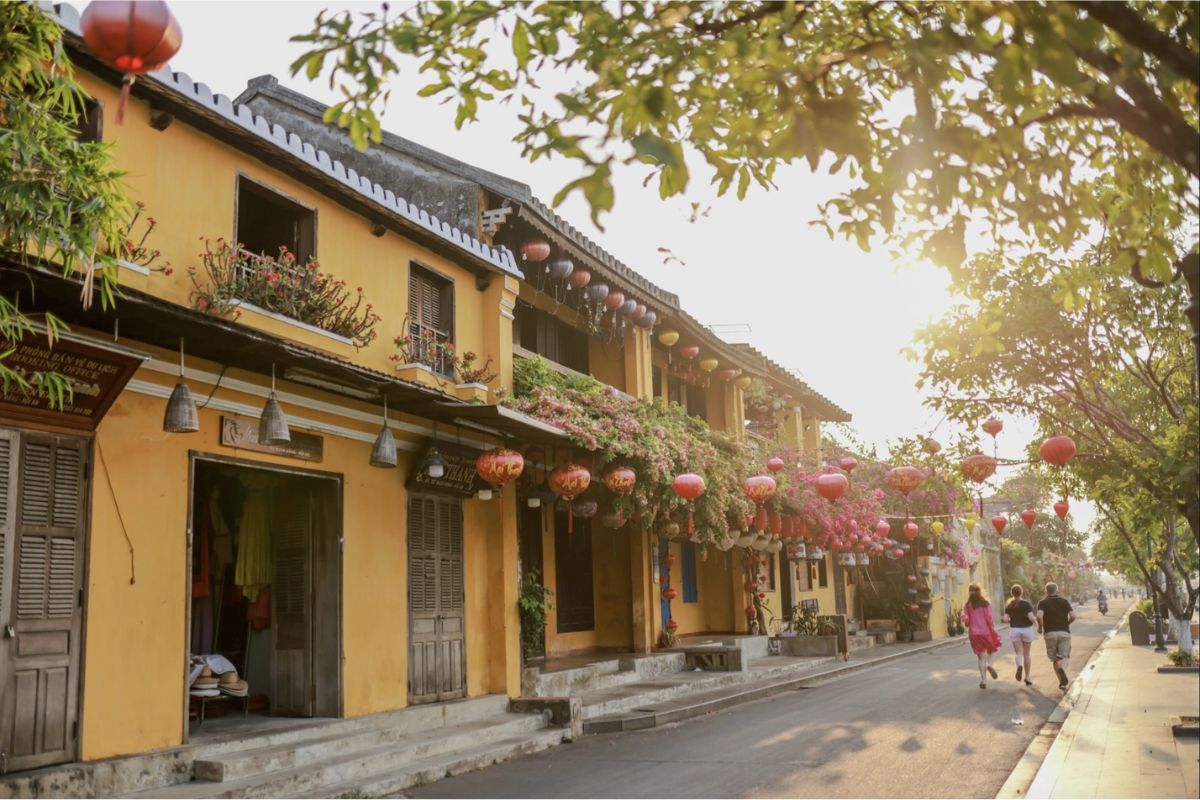
Hoi An old town
Da Nang is another good option for August. The city offers beautiful beaches, convenient transportation, and easy access to attractions such as the Marble Mountains and Ba Na Hills.
For travelers who want a more relaxed summer holiday, Central Vietnam can offer a good balance between sightseeing and beach time.
What About Southern Vietnam in August?
August is part of the rainy season in Southern Vietnam, including Ho Chi Minh City and the Mekong Delta.
Rain usually does not mean that you cannot travel. In many cases, showers are relatively short and are followed by clearer weather.
Ho Chi Minh City is still worth visiting because many of its attractions can be enjoyed regardless of the weather. You can explore museums, historic buildings, local markets, coffee shops, and restaurants.
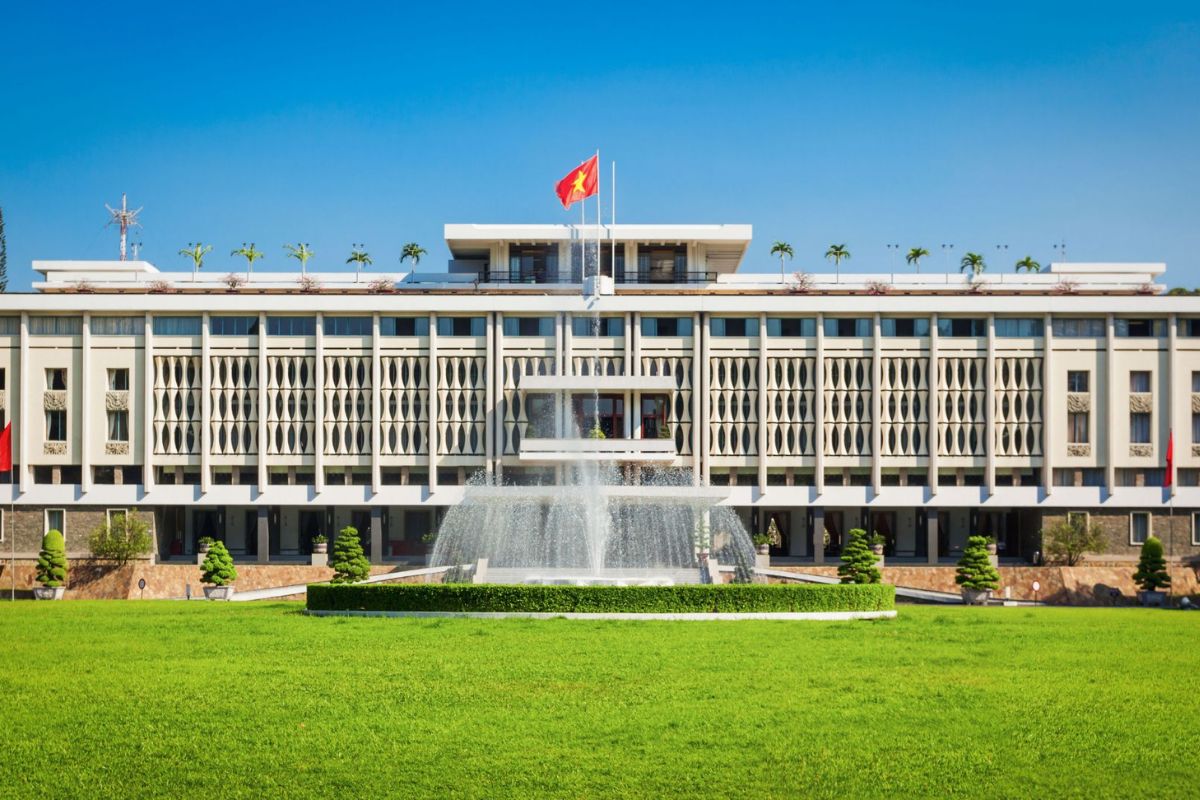
Independence Palace in HCMC
The Mekong Delta can also be included in an August itinerary. The rainy season brings more water to the rivers and canals, creating a different atmosphere for boat trips and countryside experiences.
The key is to keep your itinerary flexible and allow some extra time in case of heavy rain.
Benefits of Visiting Vietnam in August
-
One of the biggest advantages of traveling to Vietnam in August is that you can still enjoy a wide range of experiences without the same level of crowds found during some peak travel periods.
-
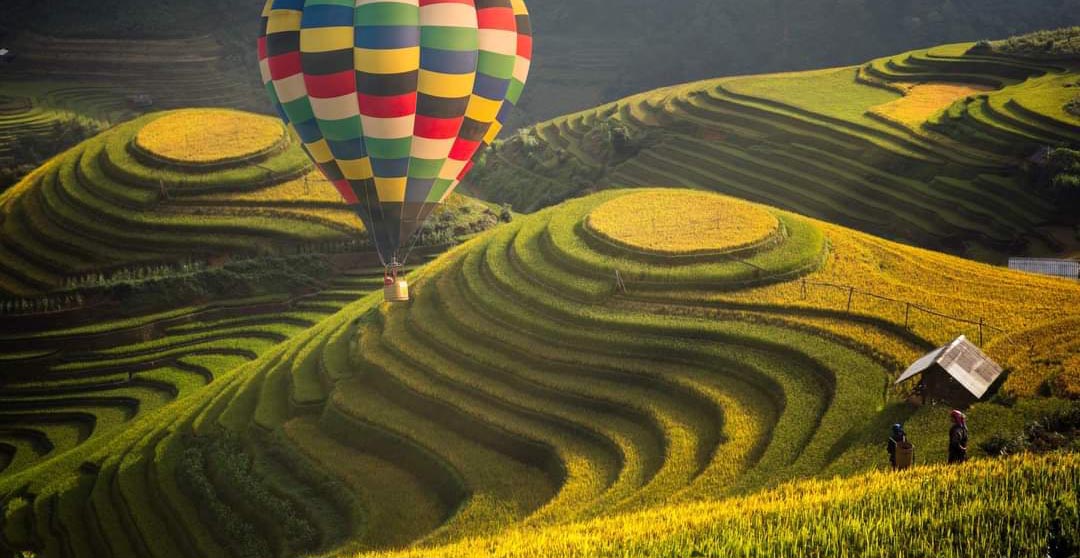
Another advantage is the opportunity to experience Vietnam during its lush green season. Rice fields, mountains, forests, and countryside landscapes can look particularly vibrant after rainfall.
August can also be a good choice for travelers who want to combine different types of experiences. You can explore Hanoi and Ninh Binh, relax on the beaches of Central Vietnam, and finish your journey in Ho Chi Minh City or the Mekong Delta.
Things to Consider Before Traveling in August
The main disadvantage of visiting Vietnam in August is the weather.
-
Rain can sometimes be heavy, particularly in Northern and Southern Vietnam. Tropical storms can also affect travel plans, especially for activities involving boats or cruises.
-
For this reason, travelers should avoid planning every day too tightly. It is better to leave some flexibility in your schedule and check the local weather before taking outdoor trips.
-
Lightweight clothing, comfortable shoes, sunscreen, and a compact rain jacket or umbrella are useful items to bring.
So, Is August a Good Time to Visit Vietnam?
The answer is yes, but it depends on where you want to go.
If you want to enjoy beaches and combine relaxation with cultural experiences, Central Vietnam is one of the best choices in August. If you want to explore Hanoi, Ninh Binh, Ho Chi Minh City, or the Mekong Delta, you can still have a great trip, but you should expect occasional rain.
August may not offer perfect weather across the entire country, but it can still be a rewarding time to discover Vietnam. With the right destinations and a flexible itinerary, you can enjoy green landscapes, local culture, delicious food, and beautiful coastal areas while experiencing a different side of Vietnam.
If you are planning to visit Vietnam in August, a tailor-made Vietnam itinerary can help you choose destinations that match the weather conditions and your travel interests.