
Vietnamese culture values politeness, respect for older people and social harmony. You do not need to know every local custom before arriving, but understanding a few everyday rules will make your trip much easier.
1. Dress Properly When Visiting Temples and Pagodas
Vietnam has many beautiful temples and pagodas, from the Temple of Literature in Hanoi to the Marble Mountains in Da Nang. However, these places are not just tourist attractions. They are also important religious sites where local people come to pray.
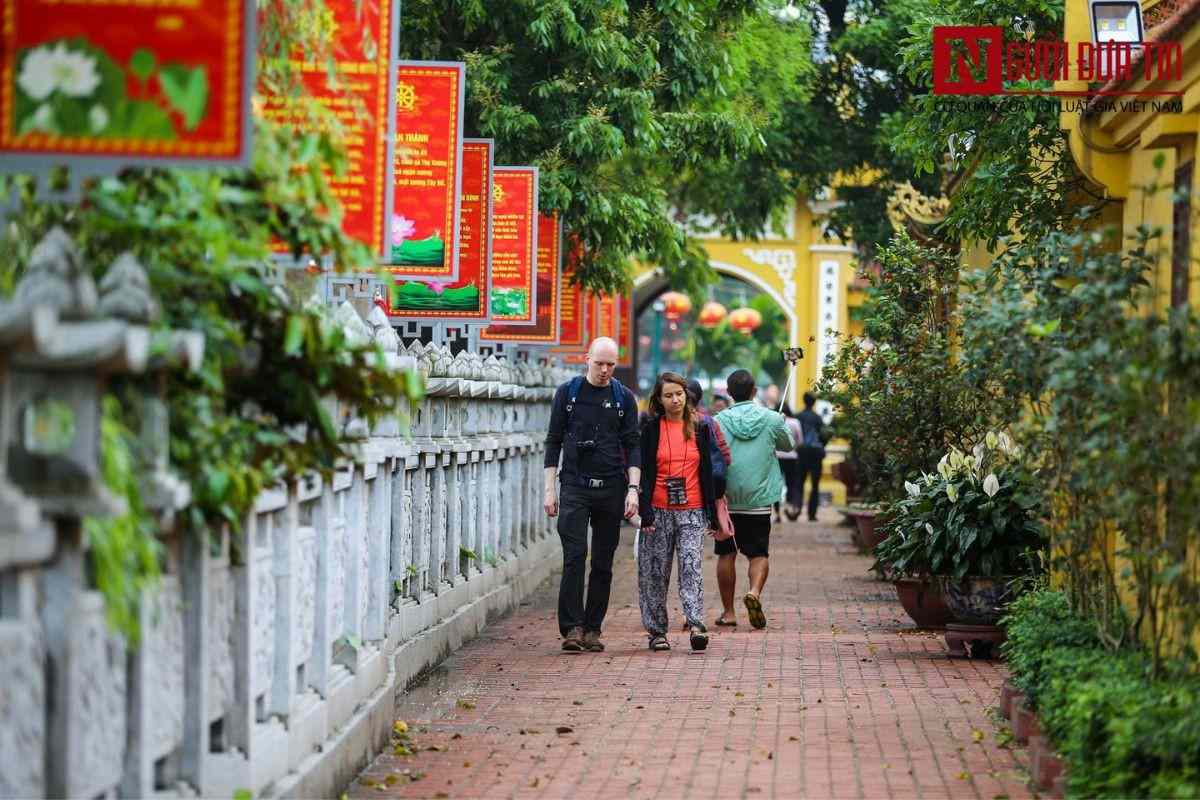
Dress etiquette in Vietnam’s temples
When visiting, wear clothes that cover your shoulders and knees. You should also remove your shoes before entering areas where it is required.
For example, if you plan to visit a pagoda in the morning and explore Hanoi's Old Quarter in the afternoon, bring a lightweight scarf or wear a shirt with sleeves. This way, you will not need to change your entire outfit before entering a religious site.
Remember to speak quietly, avoid disturbing people who are praying and follow any photography restrictions.
2. Follow Local Dining Etiquette
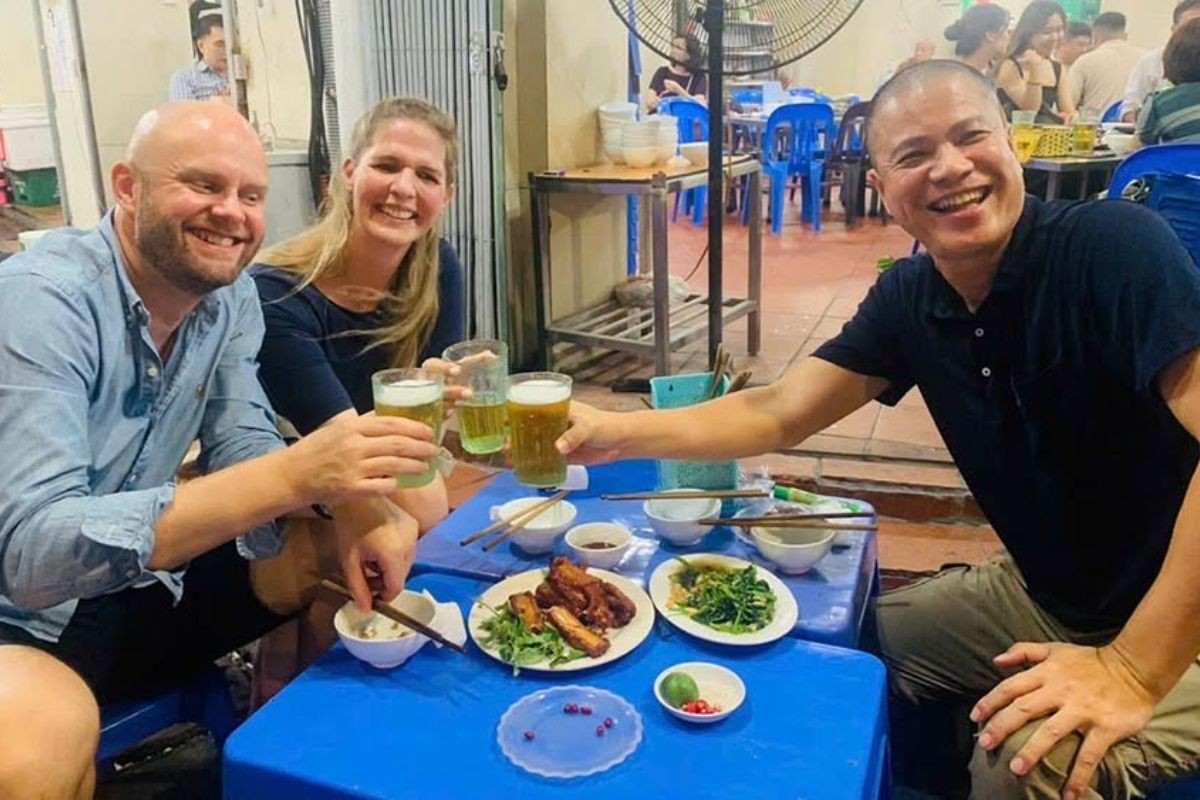
Eating is an important part of Vietnamese culture, and many meals are designed for sharing. At a family-style restaurant, you may find several dishes in the middle of the table, with each person having their own rice bowl.
Here are a few things to remember:
-
Do not stick chopsticks upright in rice. This resembles incense sticks used in funeral rituals and is considered inappropriate.
-
Use serving utensils when available. If a shared dish has its own spoon or pair of chopsticks, use them instead of your personal utensils.
-
Let older diners begin first when appropriate. At a traditional family meal, waiting for the older members to start is a polite gesture.
-
Accept food graciously. If your host offers you another portion, a smile and a polite response are enough. You can explain that you are full if you do not want more.
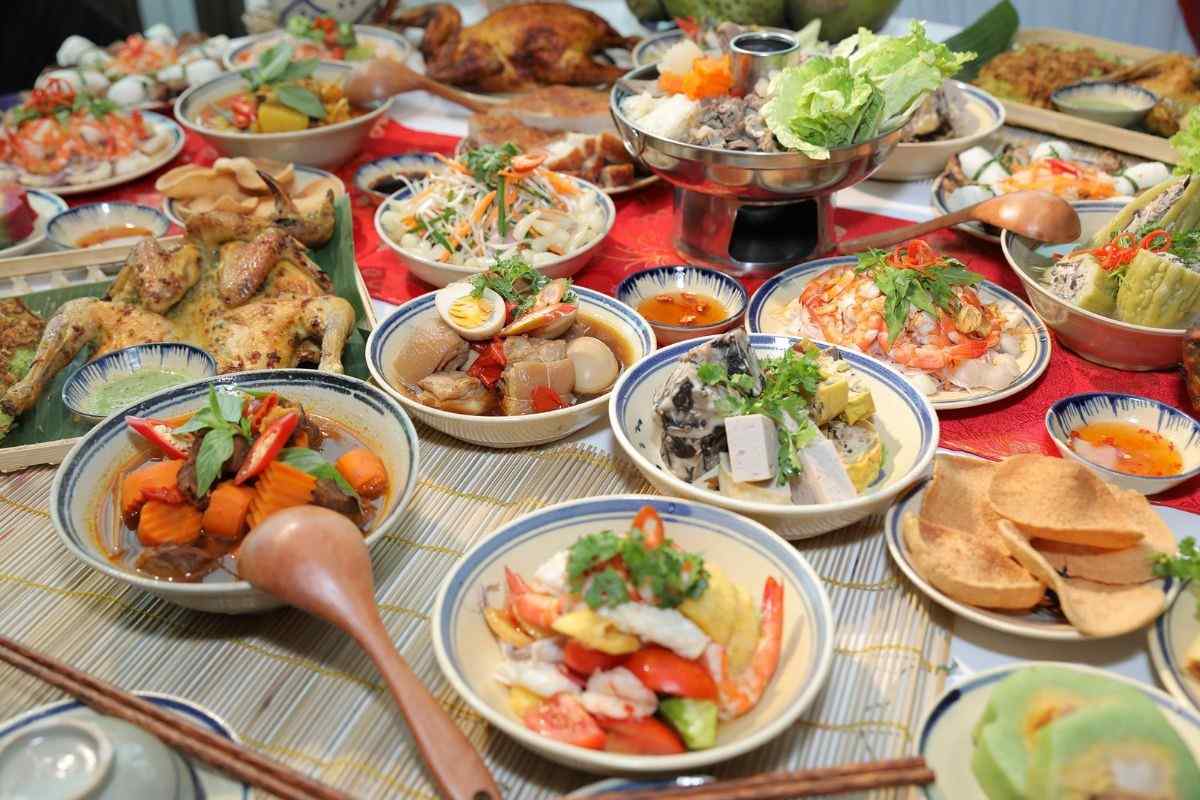
Vietnamese food
For example, when eating with a Vietnamese family, you might hear someone invite everyone to eat before the meal begins. You can respond with a friendly smile and follow the others' lead.
At casual street food stalls, the atmosphere is generally more relaxed. Simply observe how people around you eat and follow the restaurant's usual practices.
3. Ask Before Taking Photos of Local People
Vietnam offers plenty of opportunities for photography, from busy markets in Hanoi to fishing villages and rural communities.
However, a beautiful photo opportunity does not automatically mean someone wants to be photographed.
Imagine visiting a local market and noticing an older vendor preparing fresh vegetables. Instead of immediately pointing your camera at her, smile and ask, "May I take a photo?" You can also show your camera and use a simple gesture if you do not speak Vietnamese.
If the person declines, respect their decision. Be especially considerate when photographing children, people at religious ceremonies or members of ethnic minority communities.
This small act of courtesy helps make cultural encounters more respectful and personal.
4. Remove Your Shoes Before Entering a Vietnamese Home
In many Vietnamese households, removing your shoes before entering is a normal practice. You may notice shoes arranged outside the front door or near the entrance.
If a local friend invites you to their home, look for these signs and follow their lead. When in doubt, simply ask whether you should take your shoes off.
You should also be mindful of family altars, which are commonly found in Vietnamese homes. Avoid touching the objects on the altar or stepping over an altar placed close to the floor.
For example, if your host invites you to sit in the living room, wait to see where they suggest you sit rather than choosing a place directly in front of the family altar.
You do not need to understand every religious tradition. Showing care around these spaces is already a good start.
5. Be Polite When Communicating With Local People
Vietnamese people generally appreciate friendly communication, even when visitors do not speak the language.
A simple "Xin chào" means hello, while "Cảm ơn" means thank you. Learning these phrases can make everyday interactions warmer, whether you are ordering coffee or asking a shop owner for directions.
Vietnamese also use different forms of address depending on age and relationship. For example, "anh ơi" is commonly used to get the attention of a man around your age or older, while "chị ơi" is used for a woman around your age or older.
If you are unsure which term to use, do not worry. A smile and a polite tone will usually help.
Another important point is to avoid raising your voice when something goes wrong. If a restaurant order is incorrect or a service does not meet your expectations, explain the problem calmly instead of arguing loudly in public.
6. Understand Tipping Etiquette in Vietnam
Tipping is not mandatory in most everyday situations in Vietnam. At small street food stalls and casual local restaurants, customers generally pay the listed price without leaving an additional tip.
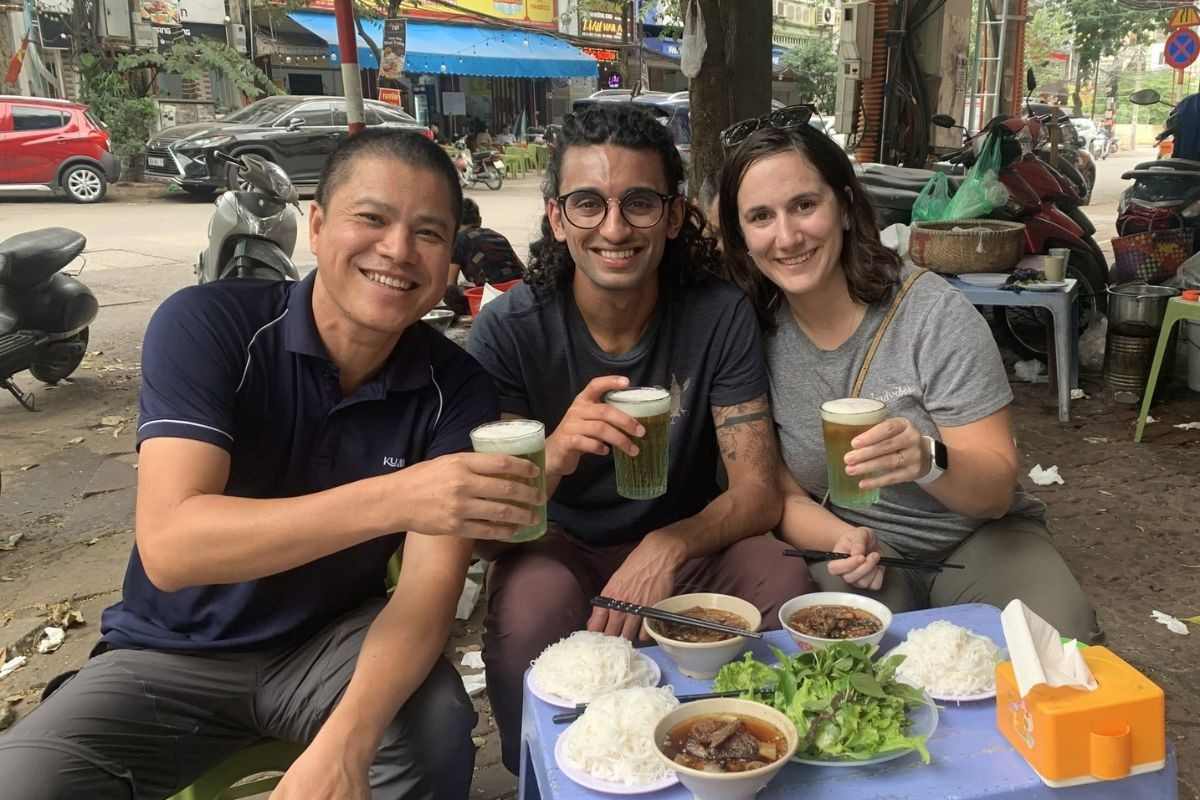
Travel Vietnam with New Asia Tours
However, tipping is more common in tourism-related services, including guided tours, spa treatments and some hotel services.
For example, if a tour guide spends the day helping you explore Ninh Binh, you may choose to offer a tip if you are happy with the service. The amount depends on your budget, the quality of the experience and the type of service.
Do not feel that you must tip every person you encounter. A sincere thank-you is also appreciated.
Understanding local customs is one of the best ways to enjoy a more meaningful trip to Vietnam. With New Asia Tours, you can discover the country's culture, cuisine and landscapes through carefully planned Vietnam tours and private, tailor-made itineraries.
Whether you want to explore Hanoi's historic streets, visit traditional villages or experience the beauty of Central Vietnam, our team can help arrange a journey that suits your interests and travel style.
Plan your Vietnam tour with New Asia Tours and experience the country with greater comfort, confidence and connection to local life.