
Understanding Vietnam's customs rules before your flight can help you avoid unnecessary delays, additional taxes and potential penalties. Here are the main items to check before packing your luggage.
How Does Vietnam Customs Work?
After passing immigration and collecting your luggage, you will proceed to the customs inspection area.
Vietnamese international airports generally use a two-channel customs system:
-
Green Channel: For travelers who have no goods requiring customs declaration.
-
Red Channel: For travelers carrying goods that must be declared, restricted items or goods exceeding duty-free allowances.
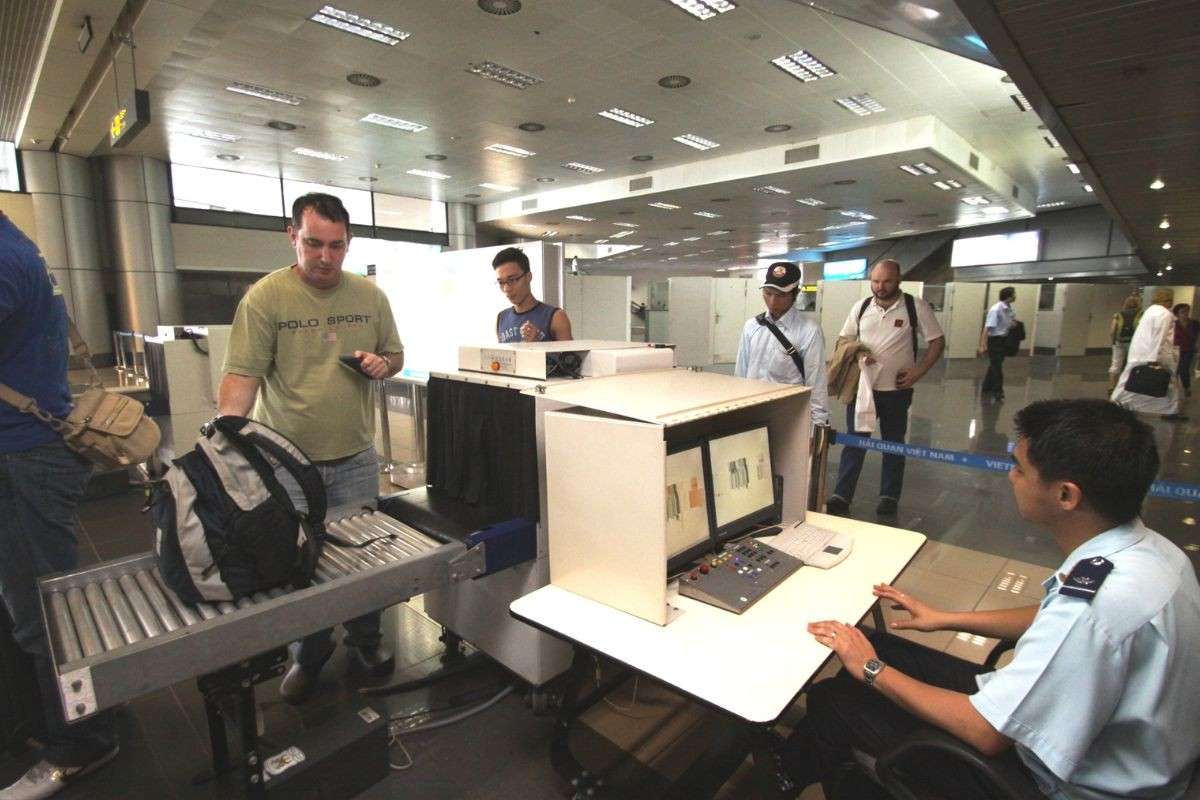
Vietnam customs at airport
If you are unsure whether an item needs to be declared, it is better to ask a customs officer rather than simply walking through the green channel.
So, what should I declare at Vietnam customs when arriving with personal luggage? The answer depends on the type, quantity and value of the items you carry.
1. Cash and Foreign Currency
One of the most important customs rules concerns the amount of cash you bring into Vietnam.
You must declare cash if you carry:
-
More than USD 5,000 or the equivalent in another foreign currency.
-
More than VND 15,000,000 in Vietnamese cash.
For example, if you arrive in Hanoi carrying USD 6,000 in cash for your holiday, you must declare the amount to customs. However, if you carry USD 3,000, you generally do not need to make a cash declaration.
Keep in mind that these rules apply to cash, not the total balance in your bank accounts or money stored on international payment cards.
If you plan to bring a large amount of cash, make sure you complete the declaration at the airport and keep the customs-certified document. It may be needed when depositing foreign currency into a Vietnamese bank account or taking cash out of the country later.
Source: State Bank of Vietnam, Circular 15/2011/TT-NHNN.
2. Alcohol and Tobacco Products
Vietnam allows international travelers aged 18 and above to bring limited quantities of alcohol and tobacco duty-free.
The current allowances include:
-
Spirits containing 20% alcohol or more: 1.5 liters.
-
Alcohol below 20%: 2 liters.
-
Beer and other alcoholic beverages: 3 liters.
-
Cigarettes: 200 sticks.
-
Cigars: 20 sticks.
-
Tobacco: 250 grams.
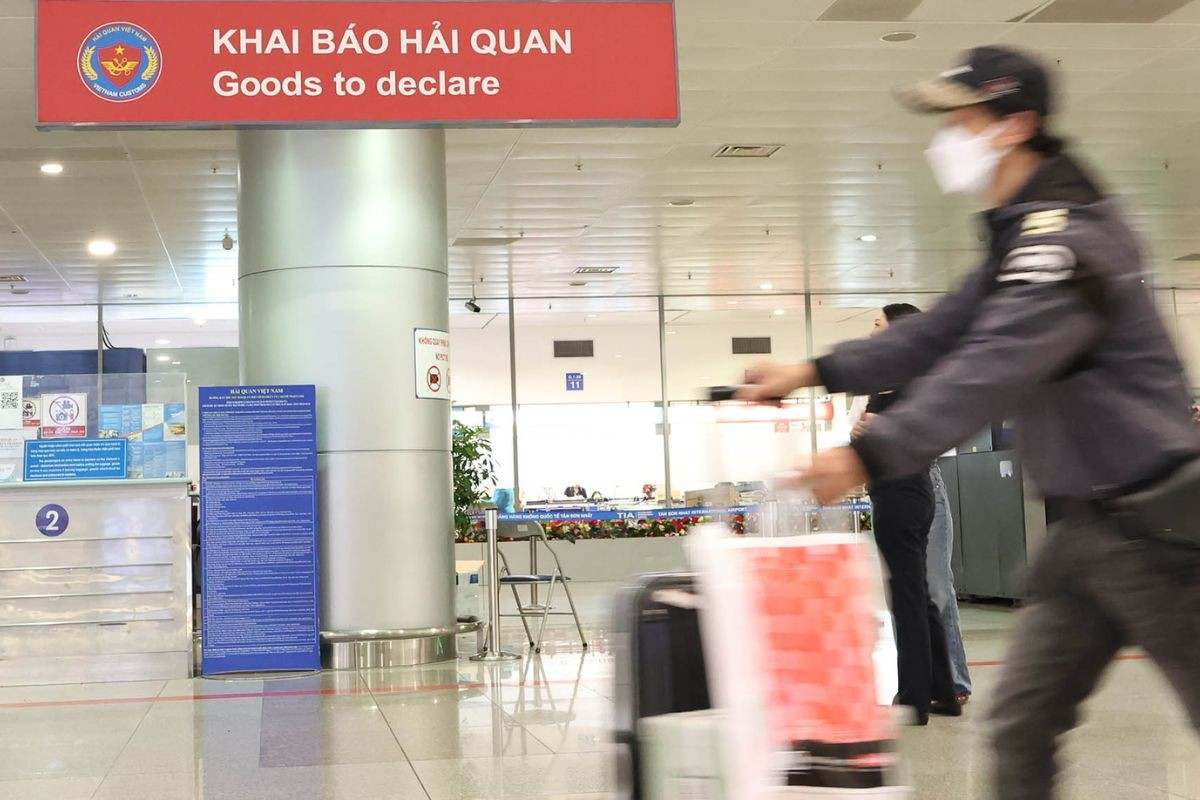
Goods to declare channel in Tan Son Nhat airport
For example, if you are bringing two bottles of wine, each containing 750 ml and below 20% alcohol, the total volume is 1.5 liters. This is within the duty-free allowance.
However, if you bring three bottles of whisky, each containing 700 ml, the total volume is 2.1 liters. This exceeds the 1.5-liter allowance, so you should declare the excess.
Electronic cigarettes and heated tobacco products are prohibited in Vietnam. Travelers should not assume that products legally purchased in their home countries can be brought into Vietnam.
Source: Da Nang International Airport and Vietnam's travel customs regulations.
3. Expensive Personal Items and Electronics
Many travelers bring personal electronics such as laptops, cameras, tablets and mobile phones when visiting Vietnam.
Generally, personal belongings in reasonable quantities for the purpose of your trip are allowed.
However, what should I declare at Vietnam customs if I bring several expensive electronic devices?
The general duty-free allowance for other goods, excluding alcohol, tobacco and personal belongings, is a total customs value of up to VND 10 million.
For example, bringing one laptop, one smartphone and a personal camera for your holiday would normally be considered personal travel equipment.
However, carrying several brand-new laptops, smartphones or cameras still in their original packaging may raise questions about whether they are intended for personal use or commercial purposes.
If you are temporarily bringing professional equipment into Vietnam for a photography project, filming assignment or business activity, check whether a temporary import and re-export declaration is required.
4. Prescription Medicines and Medical Products
Travelers can generally bring personal medication for their own treatment, but certain medicines are subject to stricter regulations.
This is particularly important for medications containing narcotic substances, psychotropic substances or drug precursors.
According to guidance from the Vietnamese Embassy in Australia:
-
Narcotic medications are generally limited to a maximum supply of 7 days.
-
Psychotropic medications and medicines containing certain precursors are generally limited to a maximum supply of 10 days.
-
These medicines must be declared to customs and accompanied by a valid doctor's prescription.
For example, if you take prescribed medication for a long-term medical condition, keep it in its original packaging and carry a prescription showing your name, medication details and dosage.
Do not assume that every medication available over the counter in your home country is automatically permitted in Vietnam. Check the active ingredients before traveling, particularly if your medication contains controlled substances.
5. Food, Plants and Animal Products
Many international travelers like bringing local snacks, packaged food or special ingredients when visiting another country.
However, food products, plants and animal products may be subject to import restrictions or quarantine inspections.
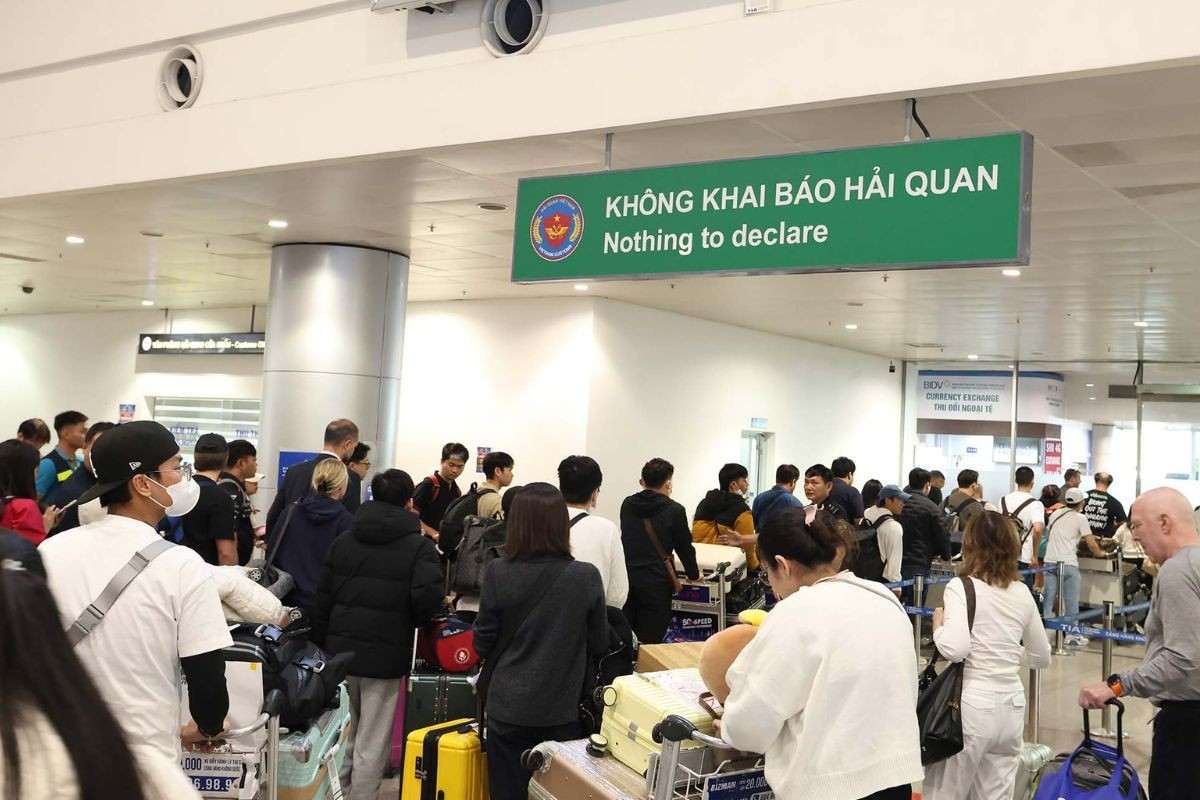
What should I declare at Vietnam customs
For instance, fresh meat, raw animal products, plants and seeds may require specific permits or health and quarantine certificates.
Packaged snacks and commercially processed foods are not necessarily prohibited, but their ingredients, origin and quantity may affect whether they can be brought into Vietnam.
If you plan to bring homemade food, fresh fruit or agricultural products, check the relevant regulations before departure rather than assuming they are permitted.
6. What Items Are Prohibited from Entering Vietnam?
Some goods cannot be brought into Vietnam without proper authorization. Others are strictly prohibited.
Common examples include:
-
Illegal drugs and narcotics.
-
Weapons, ammunition and explosives.
-
Firecrackers and prohibited explosive materials.
-
Toxic chemicals and certain hazardous substances.
-
Electronic cigarettes and heated tobacco products.
Vietnam also restricts certain cultural materials and other products considered harmful to public security or social order.
If you are carrying an item that may fall into a restricted category, contact the Vietnamese Embassy or relevant authorities before traveling.
What Should I Declare at Vietnam Customs Before My Flight?
Before leaving for Vietnam, take a few minutes to check your luggage.
Make sure you have:
-
Checked whether your cash exceeds USD 5,000 or VND 15 million.
-
Confirmed that your alcohol and tobacco quantities are within the duty-free limits.
-
Prepared prescriptions for controlled medications.
-
Checked whether food, plants or animal products require special permission.
-
Kept receipts or supporting documents for expensive items and professional equipment.
You should also remember that customs declarations may be required when leaving Vietnam, particularly if you are carrying large amounts of cash or items that were previously declared upon arrival.
Now that you understand what to declare at Vietnam customs, you can prepare for a smoother arrival and focus on enjoying your trip.
New Asia Tours offers tailor-made Vietnam tours for international travelers, with private transportation, carefully planned itineraries and local experiences across the country.
Whether you want to explore Hanoi's historic streets, cruise through Ha Long Bay, discover the ancient town of Hoi An or travel from north to south, our team can help arrange a journey that matches your interests and schedule.