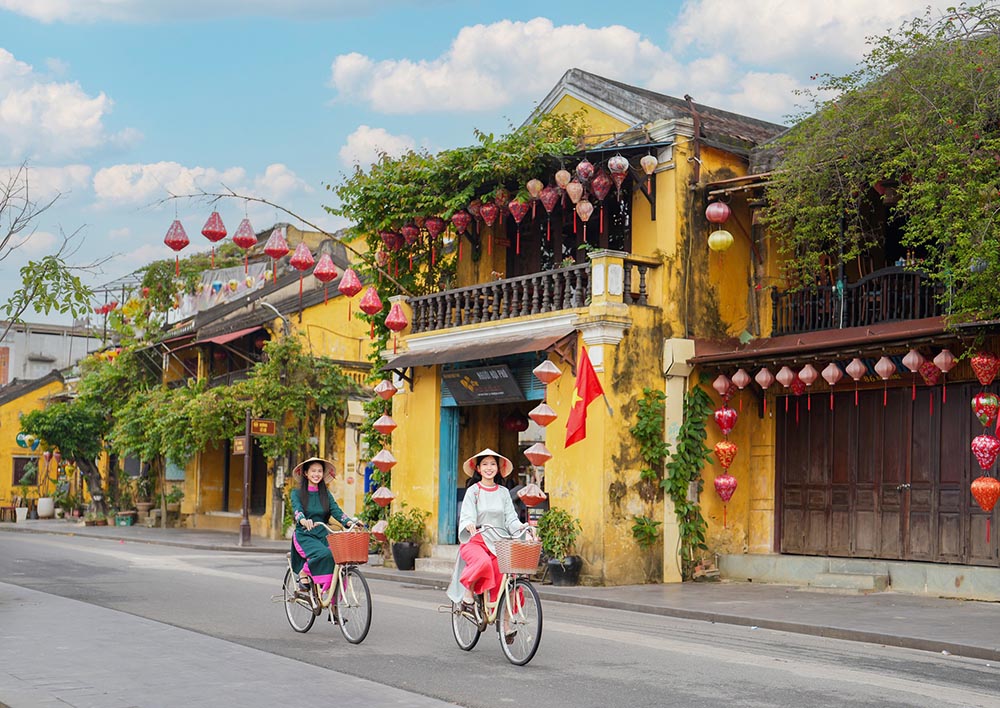


Vietnam is a long, narrow country, so choosing the right transportation can make a big difference to your travel experience. Here is how to travel around Vietnam and what you can expect from each option.
Travel Around Vietnam by Domestic Flight
Flying is usually the best option when traveling between northern, central and southern Vietnam.
Vietnam has several domestic airlines, including Vietnam Airlines, Vietjet Air and Bamboo Airways. Major routes connect Hanoi, Da Nang, Nha Trang, Phu Quoc and Ho Chi Minh City.
For example, a flight from Hanoi to Ho Chi Minh City takes around two hours, making it much faster than traveling by train or bus.
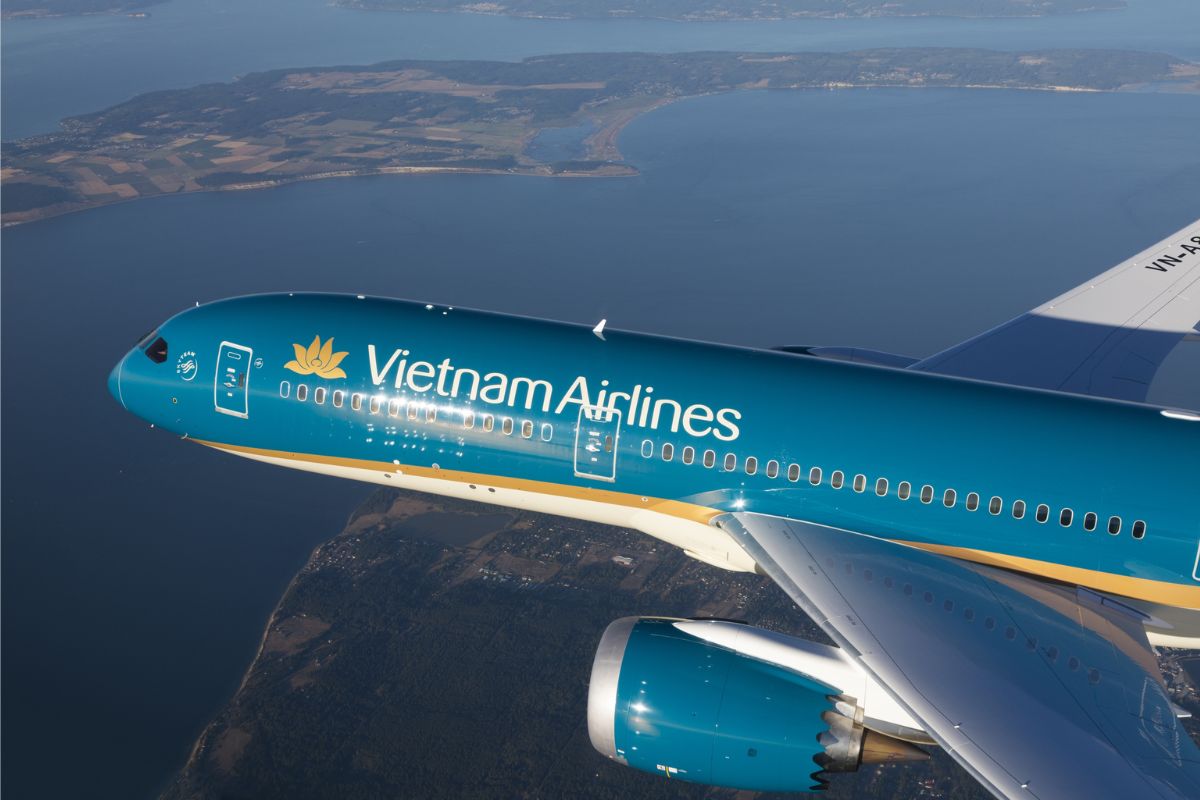
Vietnam Airlines
Budget airlines such as Vietjet Air often offer promotional domestic fares from around 55,000 VND before taxes and fees, although the final price depends on the route, travel date, baggage and seat selection. Bamboo Airways also operates domestic routes with different Economy fare types and includes 7 kg of cabin baggage across its current domestic Economy fares.
As a general guide, travelers may find domestic flights from around 500,000–1,500,000 VND for some one-way routes when booking early, while popular routes and peak travel periods can be considerably more expensive.
For long-distance travel, flying is usually worth the extra cost because it gives you more time to explore Vietnam.
Travel Around Vietnam by Train
If you prefer a slower journey and want to see more of the countryside, traveling by train is a great alternative.
Vietnam Railways operates the main North-South railway, connecting Hanoi with destinations such as Hue, Da Nang, Nha Trang and Ho Chi Minh City.
The famous Reunification Express is not a single luxury train, but a series of services operating along this railway. Popular train numbers include SE3, SE4, SE5 and SE6.

Reunification train in Vietnam
For example, the Hanoi to Da Nang journey takes around 16–18 hours depending on the service. You can choose from hard seats, soft seats and sleeper cabins. For overnight journeys, a soft sleeper cabin is generally the most comfortable choice.
Ticket prices vary depending on the train, seat or berth and travel date. Vietnam Railways has also introduced flexible pricing on some routes, so it is better to check the current fare before booking.
Train travel is particularly attractive for travelers who want to experience rural Vietnam rather than simply move from one city to another.
For a more luxurious experience, travelers can also consider The Vietage by Anantara, S Journey or Chapa Express. It offers a much more exclusive experience with private compartments, dining and onboard service.
Travel Around Vietnam by Bus
Buses are one of the most affordable ways to travel around Vietnam.
Tourist buses and sleeper buses connect popular destinations such as Hanoi, Sapa, Ha Long Bay, Ninh Binh, Ha Giang, Hue, Da Nang and Hoi An.
Some well-known operators include FUTA Bus Lines, The Sinh Tourist and various local limousine and sleeper bus companies.
For example, The Sinh Tourist currently lists buses from Hanoi to Sapa from around US$13 per person, Hanoi to Ninh Binh from around US$11 and Hanoi to Ha Long Bay from around US$11. Longer routes to central Vietnam can start from around US$22.

Sleeper bus in Vietnam
Sleeper buses can be particularly useful for longer journeys because they allow you to travel overnight. However, comfort varies between operators, so check whether the bus is a standard sleeper, VIP cabin or limousine before booking.
For short and medium-distance routes, buses are often a good balance between price and convenience.
Getting Around Vietnam with Ride-Hailing Apps
Once you arrive in a city, ride-hailing apps are one of the easiest ways to get around.
Grab is probably the most familiar option for international visitors. You can use the app to book cars, motorbikes and taxis, and see the estimated fare before confirming the ride.
Other options include Be and Green SM, which are also widely used in major Vietnamese cities.

Grab in Vietnam
Ride-hailing is particularly useful for airport transfers, short city journeys and getting to restaurants or attractions.
As prices change according to distance, traffic and demand, it is better to check the fare directly in the app rather than rely on a fixed price.
Travel Around Vietnam by Private Car
If you are traveling with family, friends or a small group, a private car with a driver can be one of the most comfortable ways to explore Vietnam.
Unlike buses and trains, private cars allow you to decide when to leave and where to stop. This is especially useful for routes where several attractions are located outside the city center.
For example, a private car from Hanoi to Ninh Binh can take around 2–2.5 hours. Current advertised prices from private transfer providers can start at around 1,500,000 VND for a 4-seat car, 1,700,000 VND for a 7-seat car and 2,500,000 VND for a 16-seat vehicle.
Another provider currently lists Hanoi to Ninh Binh transfers from around US$85 per sedan one way, with larger SUVs and vans available at higher prices.
Private car services are available from companies and local operators such as Vietnam Private Car, Origin Vietnam and Danang Transfer.
For international travelers, booking a private car with an English-speaking driver can be especially convenient when visiting places such as Ninh Binh, Ha Long Bay, Pu Luong or the Mekong Delta.
What Is the Best Way to Travel Around Vietnam?
There is no single best way to travel around Vietnam. The right option depends on your route.
- For long distances between major cities, domestic flights are usually the fastest choice.
- For scenic journeys and overnight travel, trains offer a more relaxed experience.
- For budget travelers and shorter routes, sleeper buses and limousine buses can be very practical.
- For city transportation, Grab, Be and Xanh SM make it easy to book a ride without negotiating with drivers.
- For families, couples and small groups, private cars offer the greatest flexibility and comfort.
- For a first trip to Vietnam, combining different transportation options is often the best approach. You could fly from Hanoi to Da Nang, take a private car to Hoi An, travel by train to Nha Trang and then fly to Ho Chi Minh City.
The key is not to choose one transportation method for your entire trip. Instead, choose the option that makes the most sense for each route.
If you are planning your first trip to Vietnam, understanding how to travel around Vietnam in advance can help you save time, manage your budget and build a much more comfortable itinerary.