

Traveling during this period is still possible if you monitor weather forecasts, choose destinations carefully and allow extra time for unexpected changes.
When Is Typhoon Season in Vietnam?
Vietnam's typhoon season generally lasts from June to November, with September and October being particularly active months. However, the timing and intensity of storms vary each year.
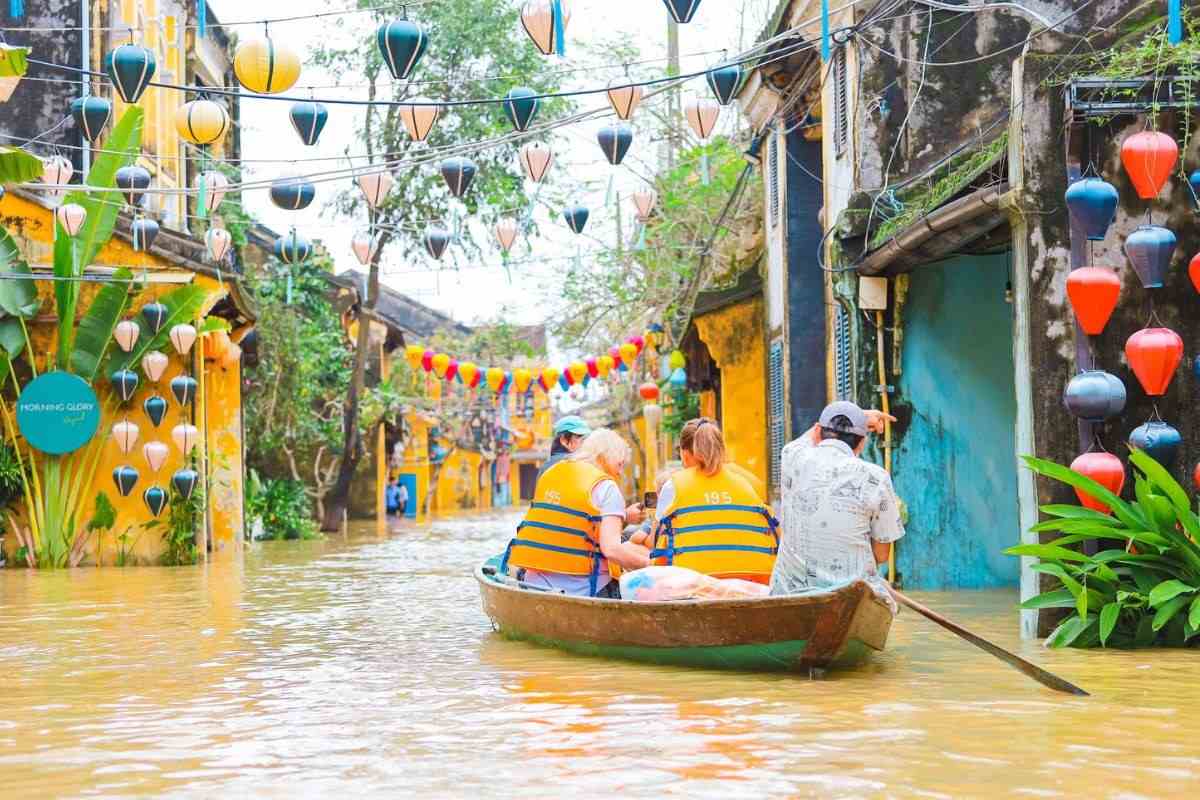
Hoi An in typhoon season
The weather also differs by region:
-
Northern Vietnam (June – September): Typhoons and heavy rainfall can affect Hanoi, Ha Long Bay, Ninh Binh and Sapa.
-
Central Vietnam (September – November): Da Nang, Hoi An and Hue experience frequent heavy rain, storms and seasonal flooding.
-
Southern Vietnam (May – November): Ho Chi Minh City and the Mekong Delta experience regular afternoon showers, but direct typhoon impacts are less common.
Understanding these differences is important when planning how to travel Vietnam during typhoon season. A storm affecting Da Nang does not necessarily mean you need to cancel your entire trip.
Choose Destinations Based on Regional Weather
One of the best ways to travel Vietnam during typhoon season is to adjust your destinations according to regional weather conditions.
Northern Vietnam: Hanoi, Ha Long Bay and Sapa
From July to September, northern Vietnam can experience heavy rainfall and tropical storms.
Ha Long Bay is particularly affected because strong winds and rough seas can lead to cruise cancellations. If you have booked a two-day cruise, check with your operator before departure. When authorities issue safety warnings, cruise companies may postpone or cancel trips.
In Sapa, heavy rain increases the risk of landslides and makes trekking trails slippery. Instead of planning several consecutive hiking days, consider spending more time in Hanoi or choosing indoor cultural activities when the weather is unfavorable.
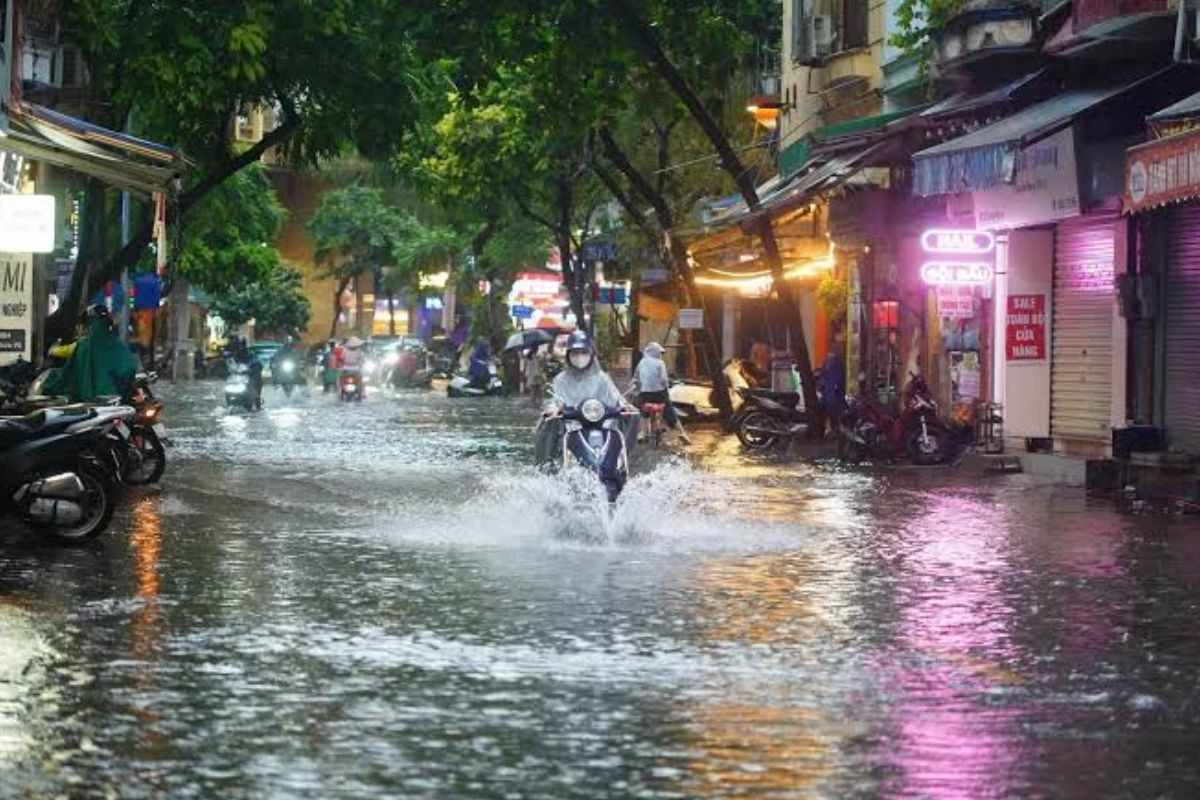
Hanoi during floods
Central Vietnam: Da Nang, Hoi An and Hue
Central Vietnam has a different rainy season, with October and November often bringing the heaviest rainfall.
Hoi An is particularly known for seasonal flooding. When the Thu Bon River rises after prolonged rain, water can enter the Old Town, affecting walking routes, restaurants and local businesses.
If you plan to visit Hoi An during October or November, choose accommodation with flexible cancellation policies and avoid staying in low-lying areas during flood warnings.
Da Nang and Hue are also affected by tropical storms. Beach activities, boat tours and sightseeing trips may be suspended during severe weather.
Southern Vietnam: Ho Chi Minh City and Mekong Delta
Southern Vietnam is generally a more flexible option during the typhoon season.
Ho Chi Minh City experiences frequent afternoon showers between May and November. These usually last a few hours rather than disrupting the entire day.
You can still explore attractions such as the War Remnants Museum, Ben Thanh Market and local coffee shops. In the Mekong Delta, however, boat trips may need to change depending on river conditions and rainfall.

Ho Chi Minh city during rainy season
Choose the Right Transportation During Storm Season
Transportation is one of the biggest factors to consider when deciding how to travel Vietnam during typhoon season.
Domestic flights
Airlines such as Vietnam Airlines, Vietjet Air and Bamboo Airways operate domestic routes connecting Hanoi, Da Nang, Nha Trang and Ho Chi Minh City.
However, flights may be delayed or cancelled when storms affect airport operations. Avoid booking connecting flights with very short transfer times, especially if you have separate tickets.
Trains
Vietnam Railways operates the North-South railway, connecting major destinations such as Hanoi, Hue, Da Nang, Nha Trang and Ho Chi Minh City.
Trains can be an alternative when flights are disrupted, but they are not guaranteed to operate during severe weather. Heavy rain, flooding and landslides can also affect railway services.
Private cars
Private cars with drivers are convenient for shorter journeys and flexible sightseeing. However, avoid traveling through flooded roads or mountainous areas during heavy rain.
For example, if you are traveling from Hanoi to Ninh Binh, check road conditions before departure rather than assuming the usual two-hour journey will remain unaffected.
What Should You Prepare Before Traveling?
A little preparation can make a significant difference when traveling during storm season.
-
Check weather forecasts: Follow updates from Vietnam's National Center for Hydro-Meteorological Forecasting and international weather services such as the Japan Meteorological Agency.
-
Buy suitable travel insurance: Make sure your policy covers weather-related cancellations, delays, accommodation changes and emergency expenses.
-
Choose flexible bookings: Prioritize hotels, flights and tours with reasonable cancellation or rescheduling policies.
-
Prepare essential items: Bring a lightweight rain jacket, waterproof bag, power bank and suitable walking shoes.
-
Keep important documents safe: Store passport copies, travel insurance details and booking information digitally and offline.
You should also save your airline and tour operator's contact details so you can quickly check for changes.
What to Do If a Typhoon Hits During Your Trip?
If a typhoon warning is issued, your safety should come before your sightseeing plans.
-
First, follow local authority instructions and your hotel's safety guidance. Stay indoors, keep away from windows and avoid unnecessary travel.
-
Do not walk or drive through floodwater, even if it appears shallow. Water levels and currents can be difficult to judge, while hidden debris and open drains create additional risks.
-
If your Ha Long Bay cruise is cancelled or your flight from Da Nang is delayed, contact your tour operator or airline to discuss alternative arrangements.
You may need to spend an additional night at your hotel or rearrange the order of your destinations. Keep some spare days in your itinerary to make these changes easier.
Is It Worth Traveling to Vietnam During Typhoon Season?
Yes, traveling during typhoon season can still be worthwhile if you understand the weather conditions and remain flexible.
Northern Vietnam is worth considering during certain periods, although Ha Long Bay cruises and mountain activities may be affected by storms. Southern Vietnam offers more flexibility for city exploration and cultural experiences, while central Vietnam requires greater caution, particularly in October and November.
The key to enjoying Vietnam during this period is not to follow a rigid itinerary. Choose destinations based on the weather, allow extra travel time and always have alternative activities ready.

How to travel Vietnam during typhoon season
Planning a trip during Vietnam's typhoon season? Let New Asia Tours help you create a flexible itinerary based on your travel dates, preferred destinations and local weather conditions.
From private tours in Hanoi and Ninh Binh to cultural journeys through central Vietnam and the Mekong Delta, our team can help arrange transportation, accommodation and local experiences that suit your travel plans.
Whether you are visiting Vietnam for the first time or returning to explore more of the country, we can help you make the most of your journey while keeping your itinerary adaptable.