Phnom Penh - Battambang - Siem Reap - Angkor Wat - Tonlé Sap Lake
Theme: Leisure, Cultural
Suitable: Seniors, Couples, Family
Highlights
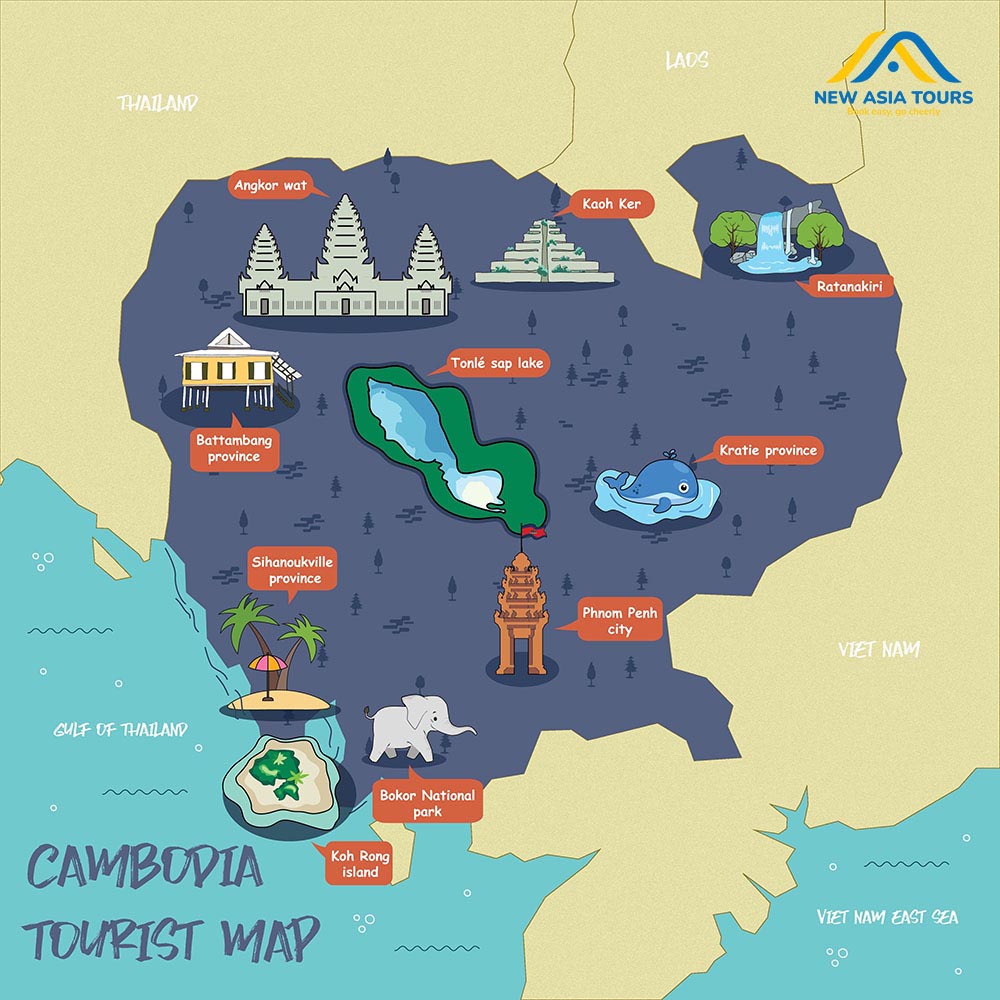
This tour will take you to explore Cambodia's main cities, the capital Phnom Penh, the wonder city of Siem Reap, and the peaceful countryside of Battambang.
Visit the beautiful city on the banks of the Mekong River. Learn about the museums that mark the history of the Khmer Rouge...
Da Nang - Hoi An - Ho Chi Minh - Mekong Delta - Phnom Penh - Siem Reap - Angkor Wat - Beng Mealea
Theme: Nature, Leisure, Cultural
Suitable: Seniors, Couples, Family
Highlights
This trip is a new itinerary for those who want to skip the North of Vietnam.
It starts from Da Nang, where we will explore the peaceful and culturally rich Hoi An Ancient Town . Then we will fly to HCMC to explore the largest city in Vietnam along with the Mekong Delta and Cu Chi...
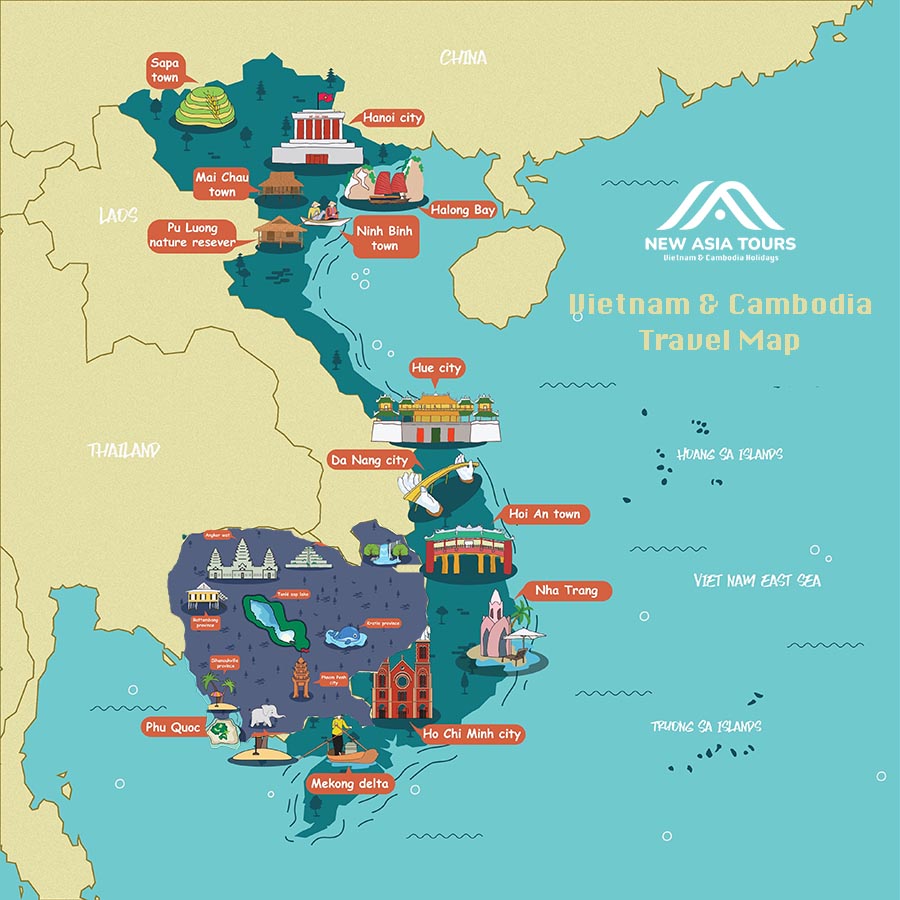
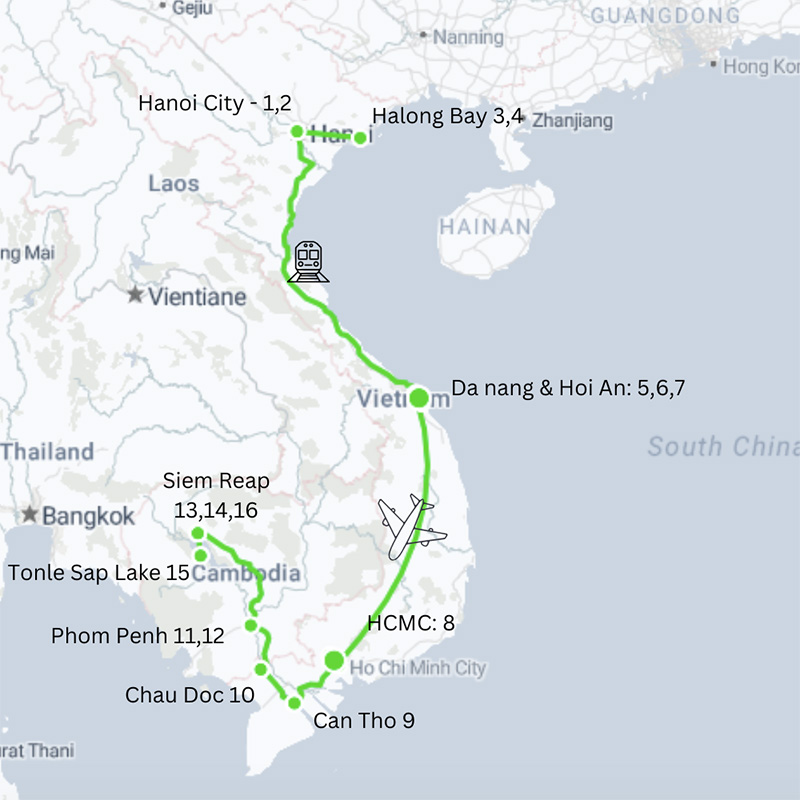
Hanoi - Da Nang - Halong Bay - Hoi An - My Son Sanctuary - Ho Chi Minh - Mekong Delta - Can Tho - Chau Doc - Phnom Penh - Siem Reap - Angkor Wat - Tonlé Sap Lake
Theme: Nature, Leisure, Cultural
Suitable: Seniors, Couples, Family
Highlights
If you want the best holiday to Vietnam and Cambodia, the Graceful 16-day Vietnam And Cambodia Package Tour would be your top choice without hesitation.
Start the trip by visiting Hanoi and Halong Bay. Experience a journey by train from Hanoi to Da Nang . Find the history...
Siem Reap - Vietnam - Ho Chi Minh - Cu Chi Tunnels - Mekong Delta - Hoi An - My Son Sanctuary - Hanoi - Halong Bay
Theme:
Suitable: Seniors, Couples, Family
Highlights
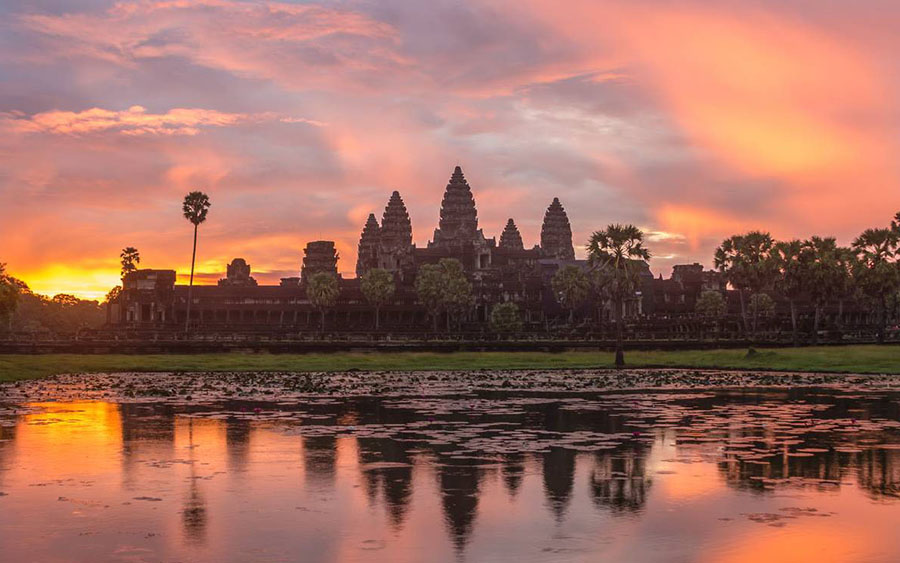
Start the 12-day Cambodia and Vietnam tour with the Angkor temples discovery. Wander through centuries of history and culture, standing in awe of the architectural marvels
Witness the breathtaking sunset at Phnom Bakheng, a magical experience atop a hill overlooking the vast expanse...
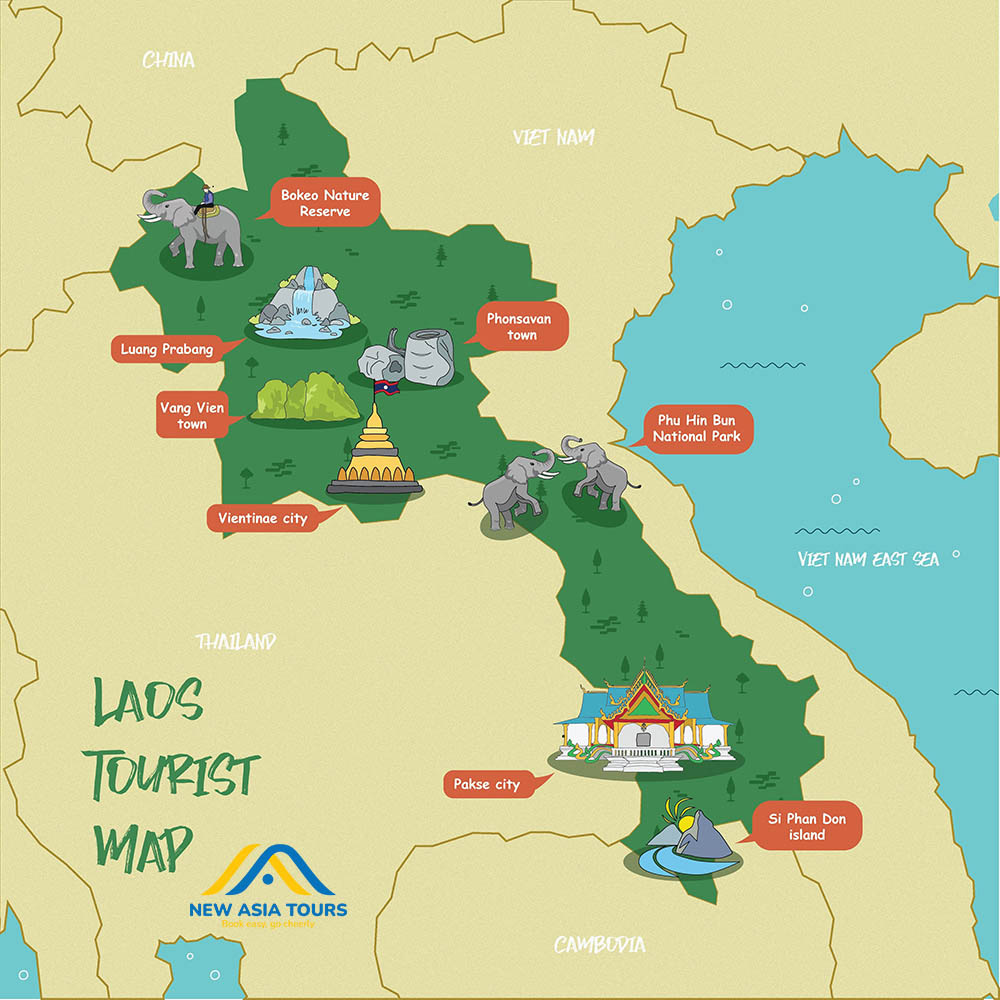
Laos - Luang Prabang - Vang Vieng - Vientiane - Vietnam - Hanoi - Ninh Binh - Halong Bay - Hoi An - My Son Sanctuary - Ho Chi Minh - Cu Chi Tunnels - Mekong Delta
Theme:
Suitable: Seniors, Couples, Family
Highlights
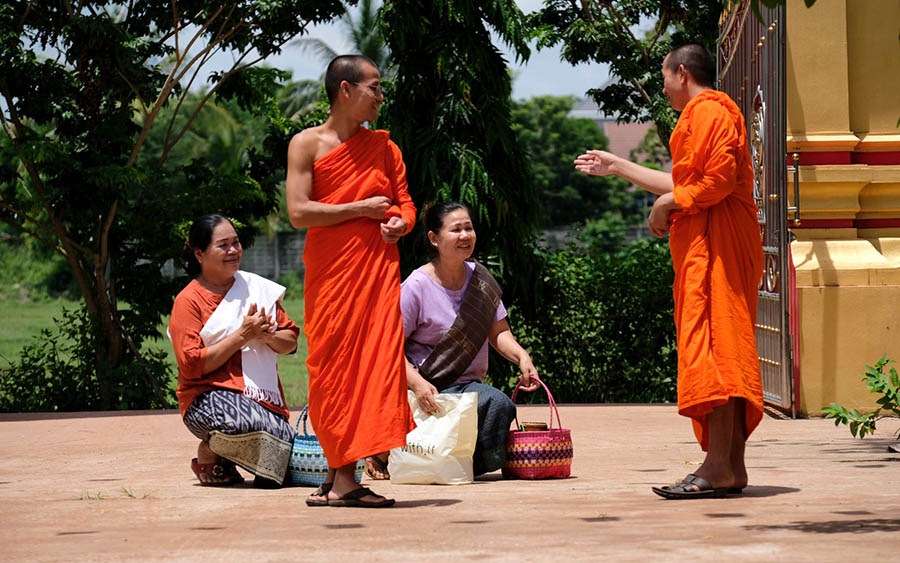
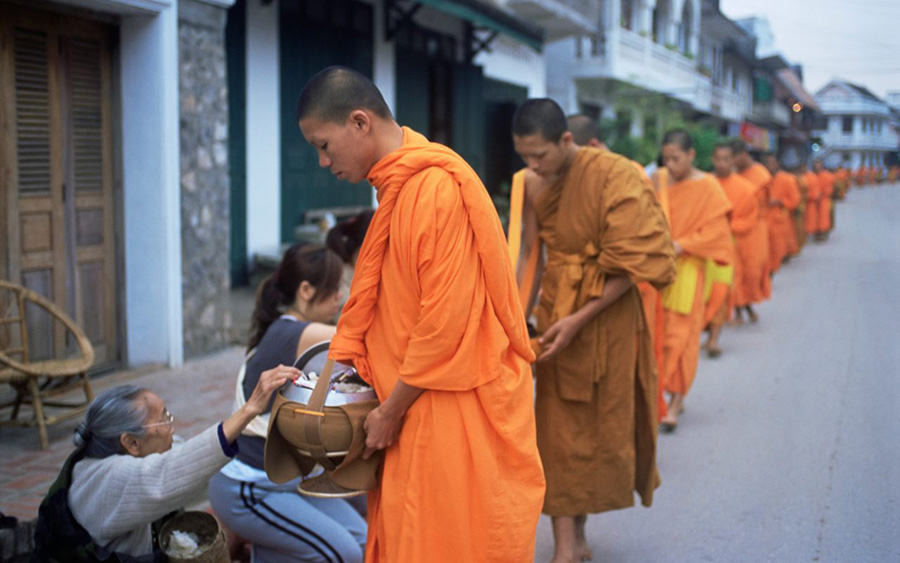
Explore Luang Prabang. Witness the traditional alms-giving ceremony at sunrise, visit ancient temples like Wat Xieng Thong, and climb up to Mount Phousi for a panoramic view. Experience the tranquil Vang Vieng, surrounded by stunning limestone karst landscapes. Enjoy activities like cruising...
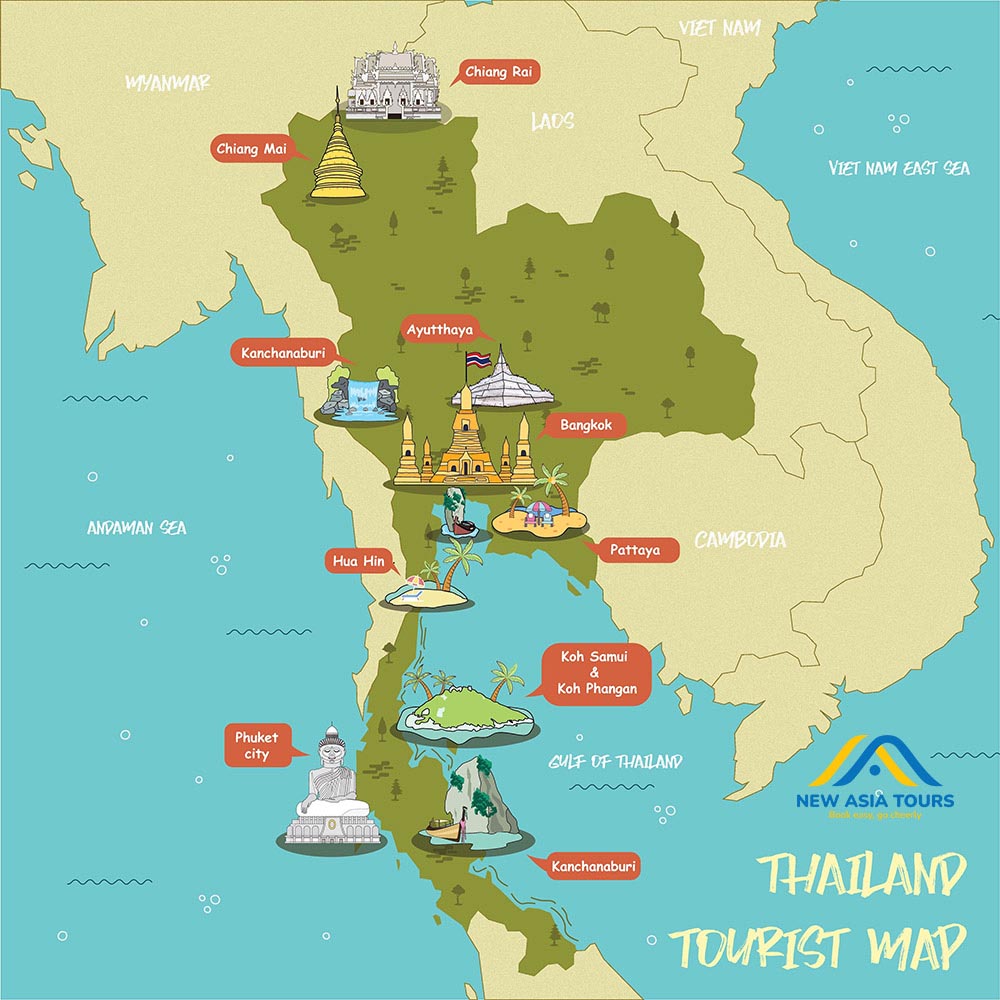
Hanoi - Halong Bay - My Son Sanctuary - Ho Chi Minh - Cu Chi Tunnels - Mekong Delta - Bangkok - Phuket
Theme: Nature, Leisure, Cultural
Suitable: Seniors, Couples, Family
Highlights
Indulge in a 14-day adventure through the treasures of Vietnam and Thailand:
Discover the rich history of Hanoi, witnessing traditional water puppetry that brings ancient stories to life.
Set sail through the captivating limestone karsts of breathtaking natural wonders - Halong Bay...
Bangkok - Chiang Mai - Hanoi - Ninh Binh - Halong Bay - Hoi An - My Son Sanctuary - Ho Chi Minh - Cu Chi Tunnels - Mekong Delta
Theme: Nature, Leisure, Cultural
Suitable: Seniors, Couples, Family
Highlights
Embark on an unforgettable 21-day journey through the cultural wonders of Thailand and Vietnam . This tour encapsulates the essence of two extraordinary nations, weaving together a tapestry of cultural experiences and natural wonders that will leave you with lasting memories.
Begin...
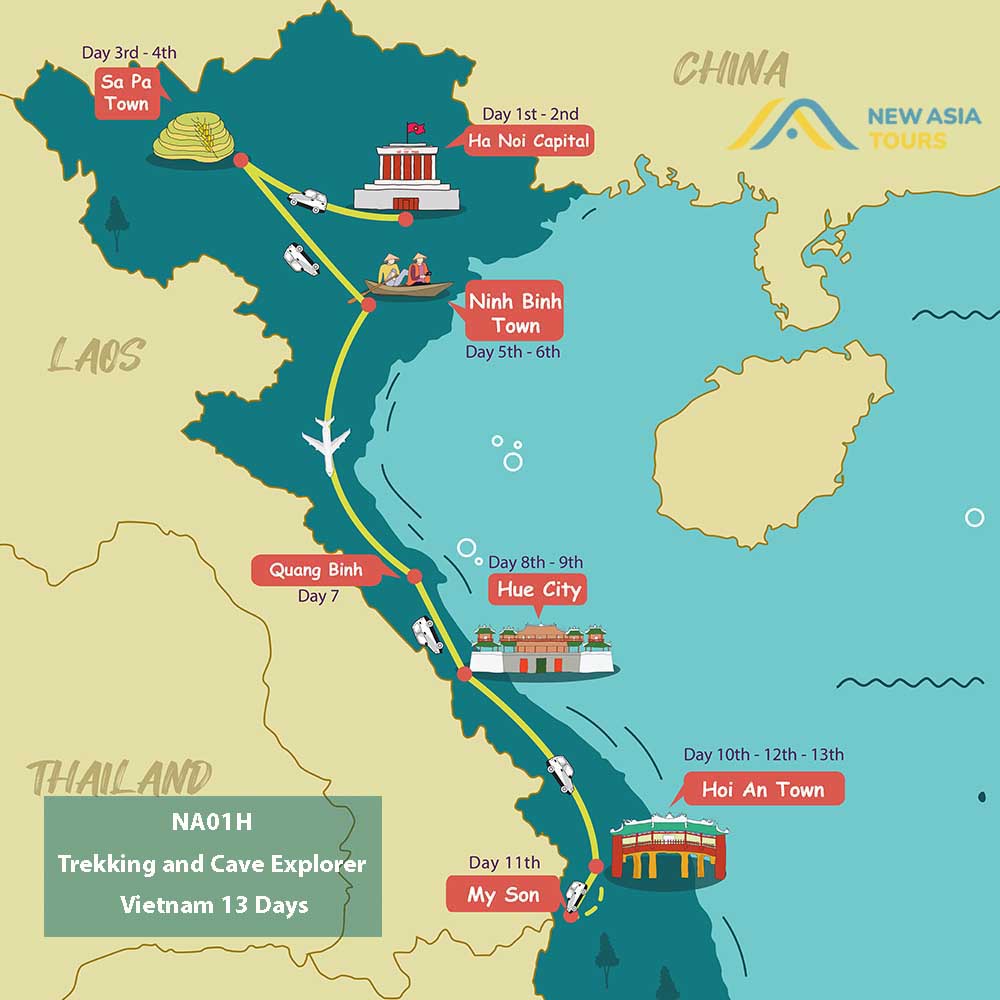
Hanoi - Sapa - Fansipan Peak - Ninh Binh - Phong Nha Ke Bang - Hue - Hoi An - My Son Sanctuary - Ho Chi Minh
Theme: Nature, Adventure
Suitable: Seniors, Couples
Highlights
You want to look for different experiences, little-known destinations, and local discoveries. Then this Vietnam Trekking and Cave Explorer 13-day tour will be for you.
Discover the hidden paths of the North and Central Vietnam. Trekking to explore the Sapa tribe's villages, seeing the local...
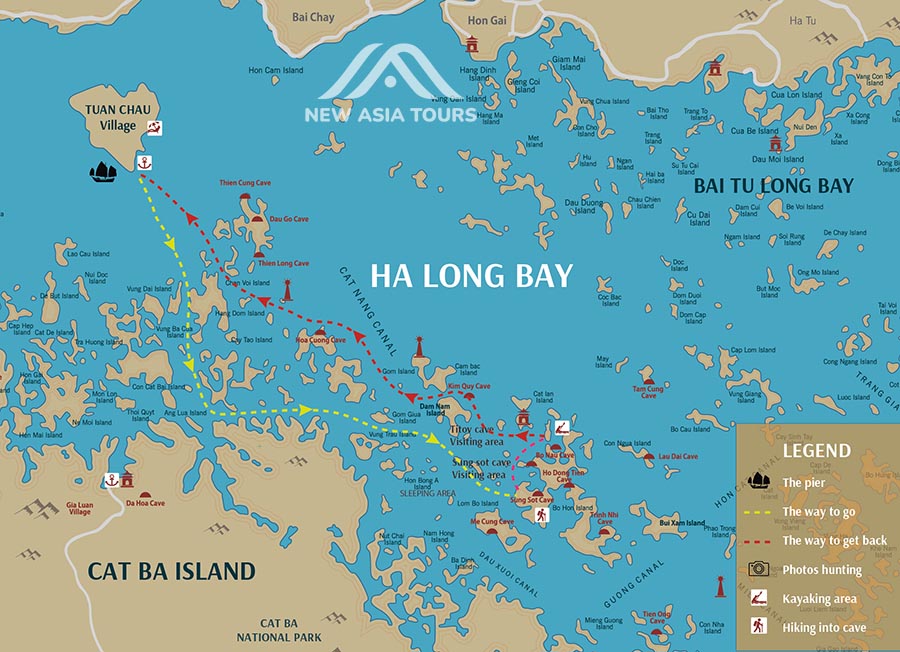
''Itinerary for 2 nights on board is a really exciting trip to discover Halong Bay- Lan Ha Bay and Cat ba island, learn very much of culture and enjoy the stunning nature”- Many travelers said.
Visit Halong Bay, Lan Ha Bay, and Cat ba island on the...
Ho Chi Minh - Cu Chi Tunnels - Hoi An - Hanoi - Halong Bay - Luang Prabang - Mekong Delta - Siem Reap
Theme:
Suitable: Seniors, Couples
Highlights
The Southeast Asia Great Package 13 Days - 12 Nights will take you to enjoy a circle of top Destinations of four countries.
Explore the top attractions of Vietnam: Ho Chi Minh City, Hanoi City, Halong Bay, Hoi An Town
Laos: Experience the charming and peaceful Luang Prabang...
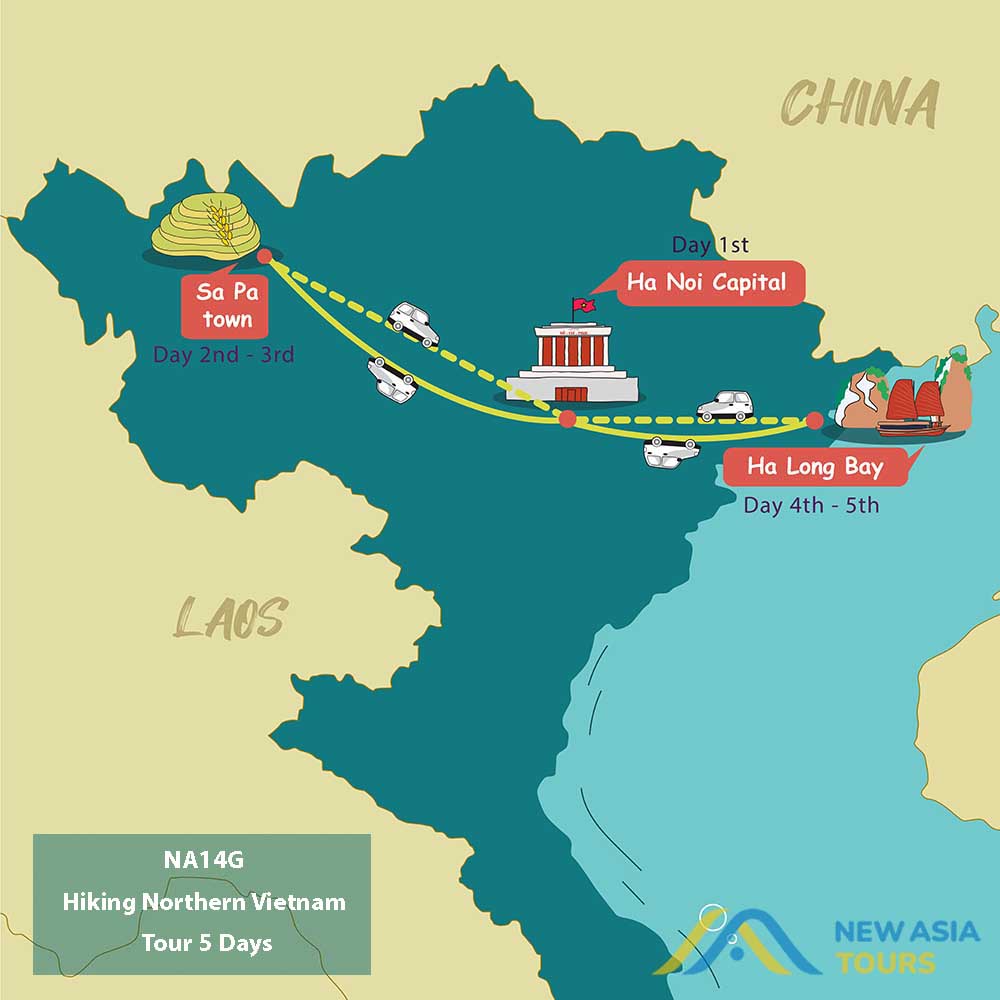
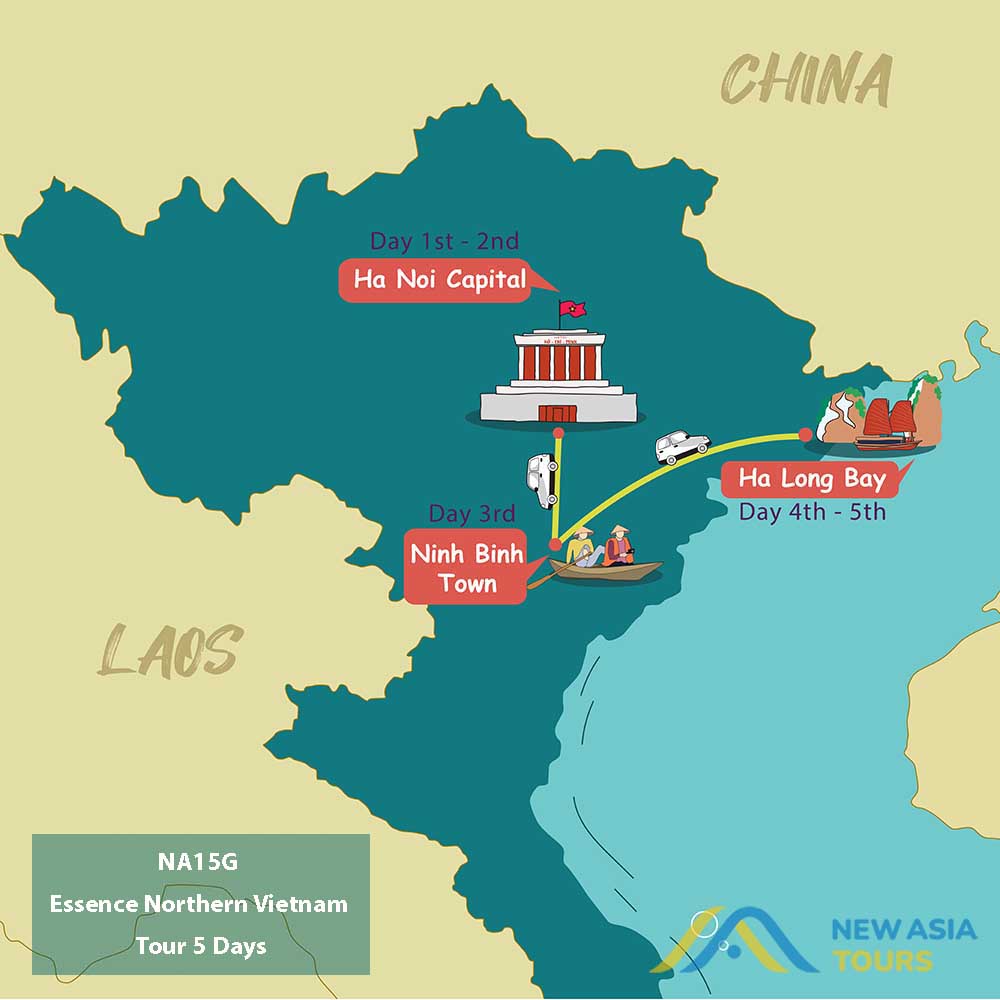
Hanoi is the tourism center of North Vietnam If you only have 5 short days and want to visit some famous destinations, the Pristine 5-day northern tour package is the perfect choice for you. This tour includes the main tourist destinations: Hanoi - Sapa and Ha Long Bay . For tourists who...
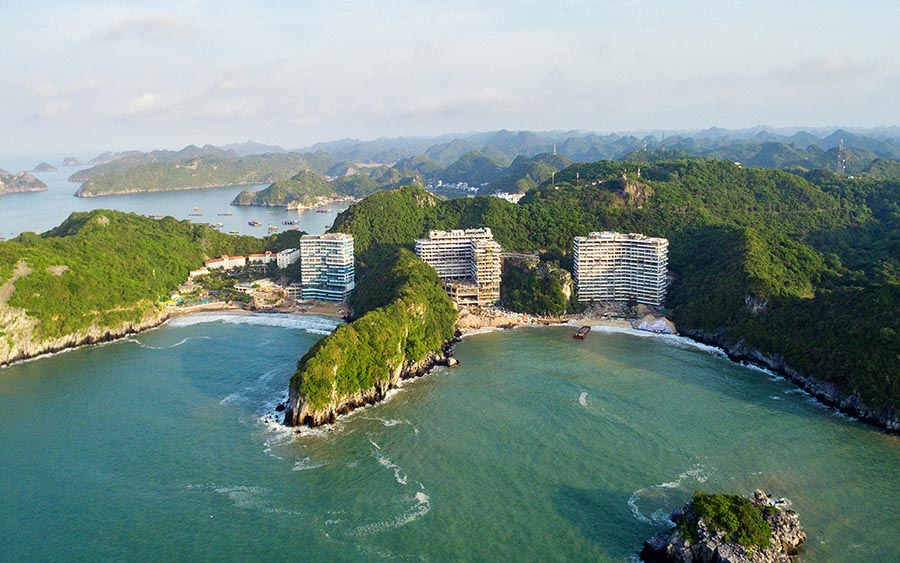
A trip to the main tourist destinations in the north such as the capital Hanoi, the beautiful land of Ninh Binh, a 1-night cruise on Ha Long Bay, and especially a 1-night stay on Cat Ba Island with its gorgeous, private beaches. Exploring the streets of Hanoi by Jeep will also be an interesting...